
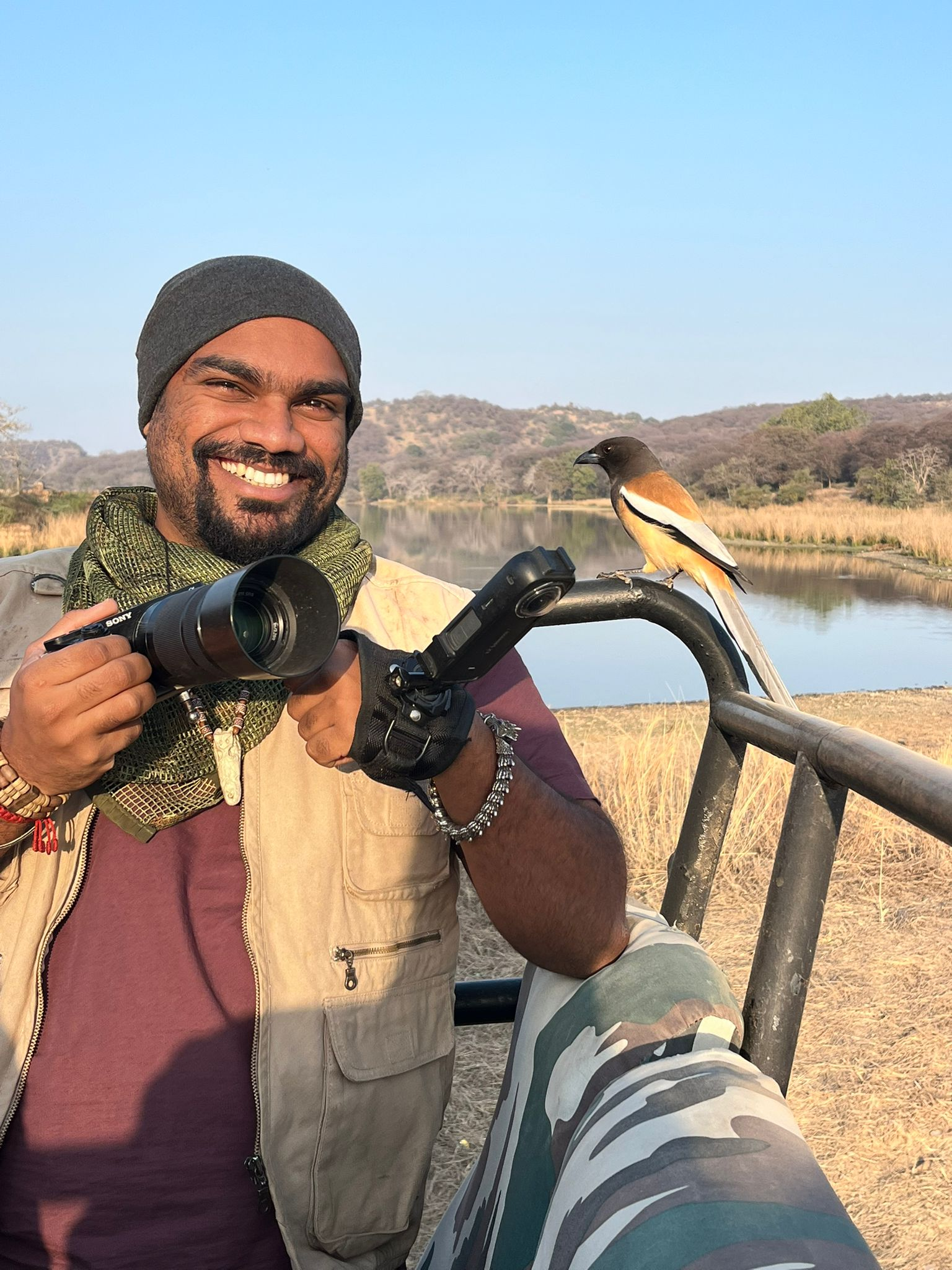
Anurag Karekar
Urban · Forest & Marine Ecology · Climate ScienceSeven years in the Andaman & Nicobar Islands — including Little Andaman and Nicobar — shaped Anurag's understanding of ecosystems that most naturalists never reach. A free diver, a storyteller, and a restless builder, he has been recognised as a Young Naturalist Awardee (2020), a Grassroots Hero (2022), and served as jury for the Indian Responsible Tourism Awards 2026. Naturalist Explorers is his answer to one simple belief — once you truly see the natural world, you cannot unsee it.
Priyall Soanii
Priyall brings a rare double background to her work — a Master's in Applied Psychology and early-childhood teaching diplomas layered over BNHS courses in ornithology and butterfly studies. Her field CV runs deep: multiple Sanjay Gandhi National Park bird counts, the Bandhavgarh and Kanha surveys, head organiser of the Butterfly Race, and a contributor to All Women Nature Walk Mumbai. Fittingly, her spirit animal is the owl — elusive, observant, and proof that not every encounter has to be loud to be memorable.
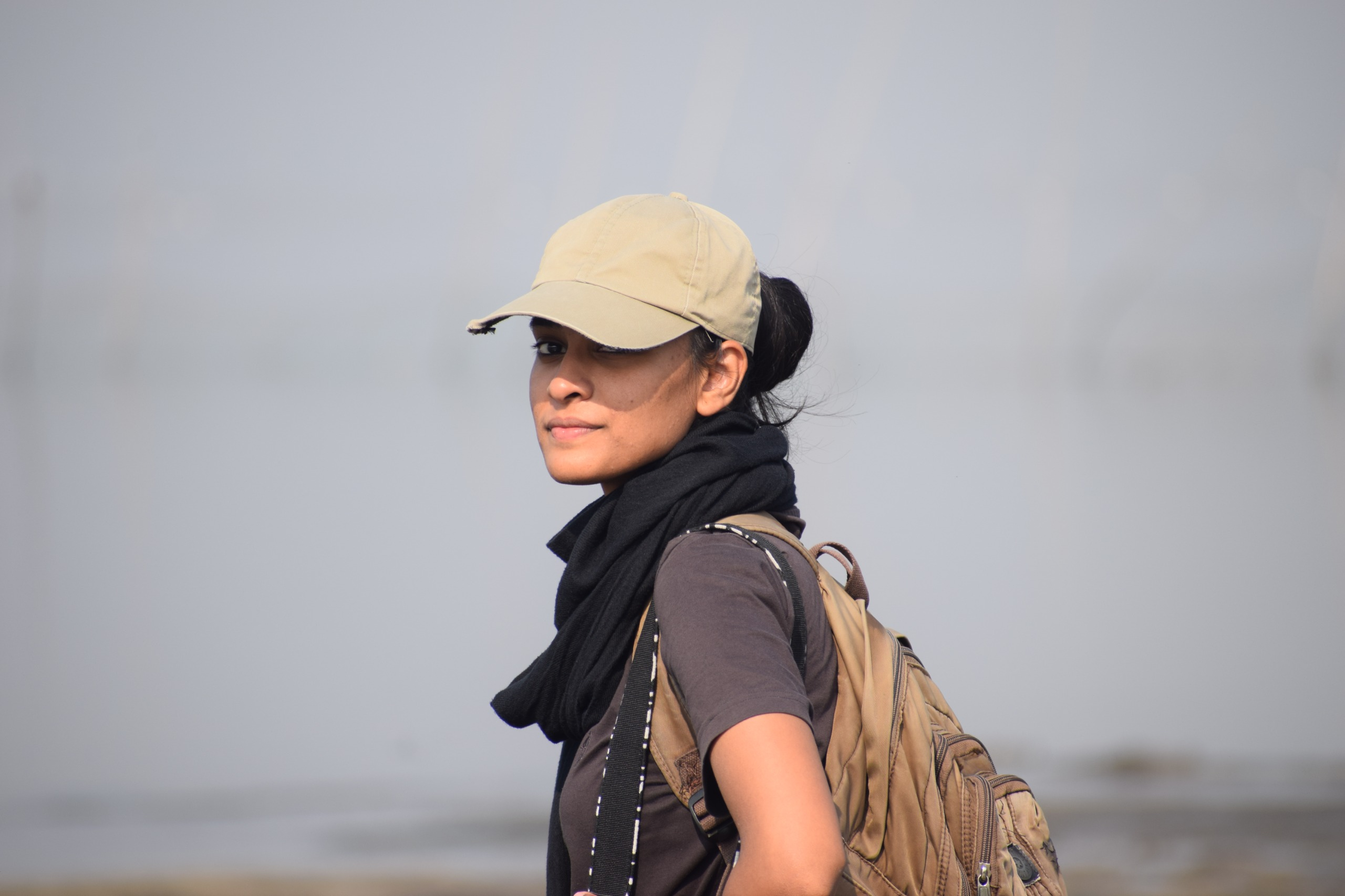
Masira Shaikh
Masira has spent 5–10 years and 3,000+ hours quietly learning the rhythms of Mumbai's wild pockets — particularly Aarey, which she knows like a second home. She curates educational and cultural nature experiences for all ages, bringing together ecology, community, and place in programs that go well beyond a standard trail. Her field bag never leaves without a big water bottle, a head torch, and mosquito repellent.
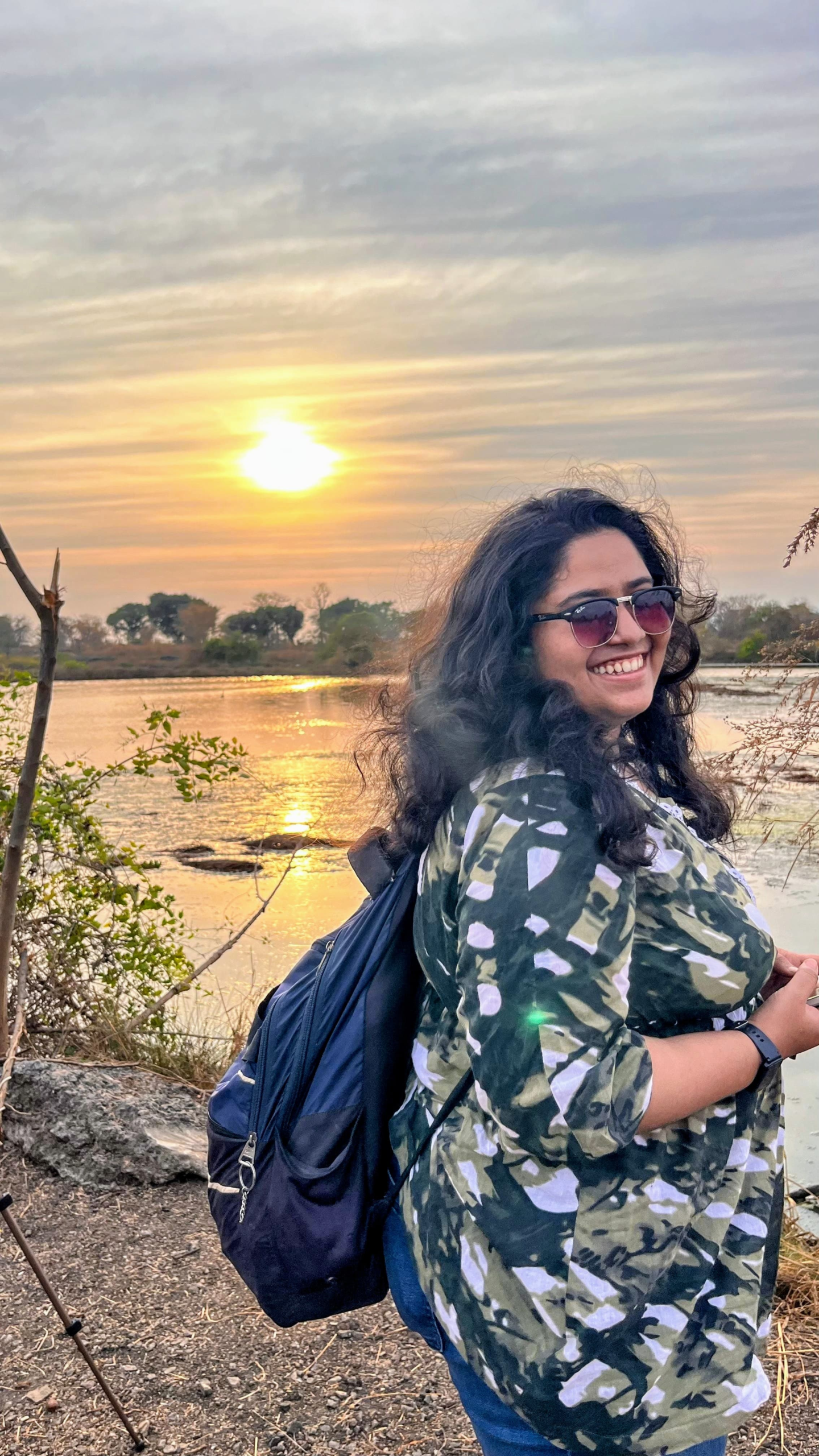
Umasa Warsi
Born and raised next to Juhu Beach, Umasa spent years not knowing what lived beneath the surface — until she looked. A course in Biodiversity and Wildlife Biology later, she now leads marine walks and runs NatEx's social media, bringing the intertidal world to people who've walked past it their whole lives. Her field motto: you don't need a forest to experience nature — start by looking beneath your feet.
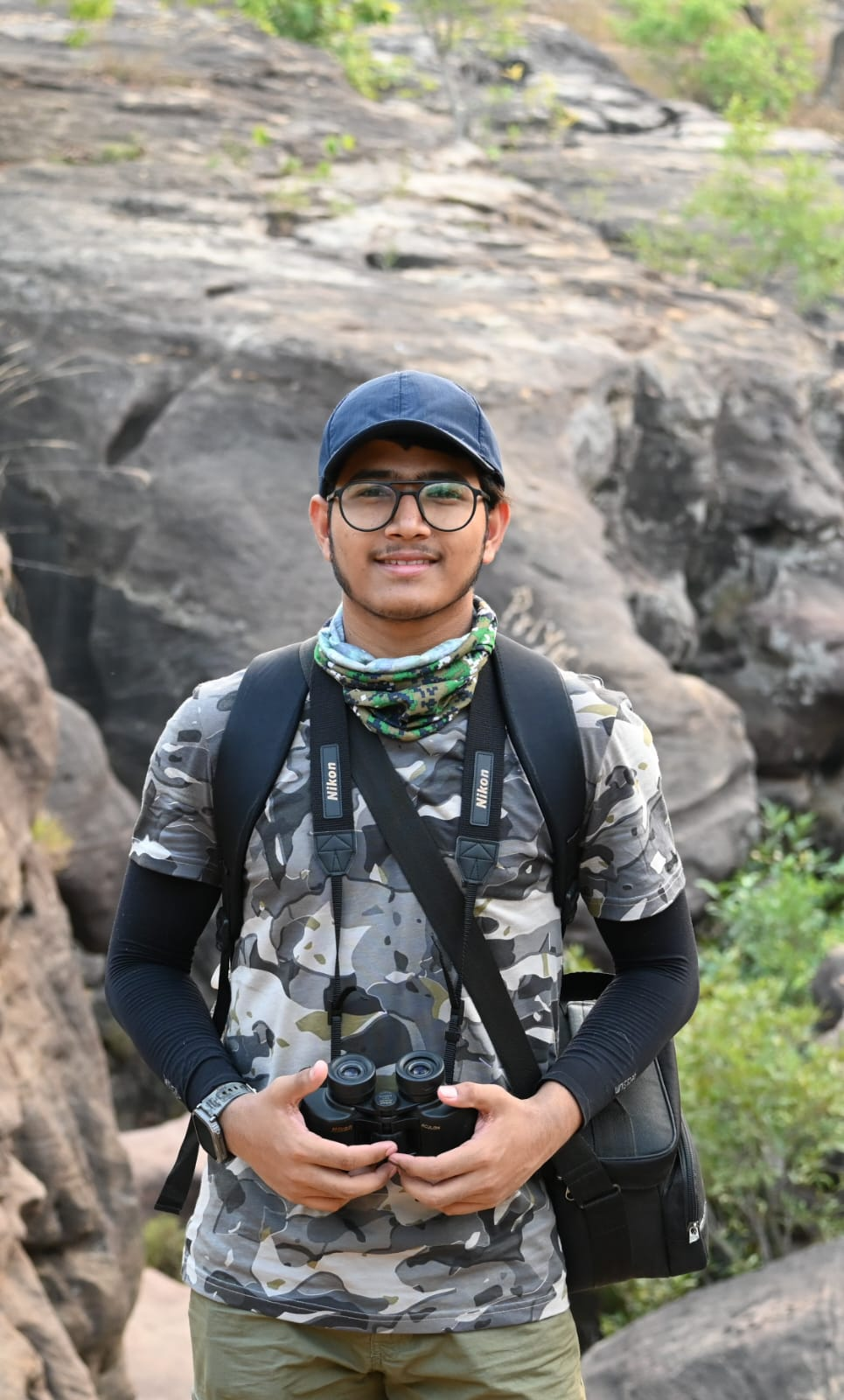
Kasim Ansari
Kasim brings the wild to screens as skillfully as he brings people into the wild — equal parts field educator and the man behind NatEx's video edits. His 5–10 years of fieldwork span the Western Ghats, Deccan Plateau, and coastal India, with bird surveys at Bandhavgarh and Nagzira Tiger Reserves and Tansa Wildlife Sanctuary to his name — including a Bandhavgarh moment he'll never forget: a tigress with her kill, watched in silence mid-survey. Trained through the Young Naturalist Course and certified in first aid and lifeguarding, he works with mixed-age groups on forest schools and urban birding. His philosophy is simple — people protect what they love, and his job is to give them reasons to love nature.
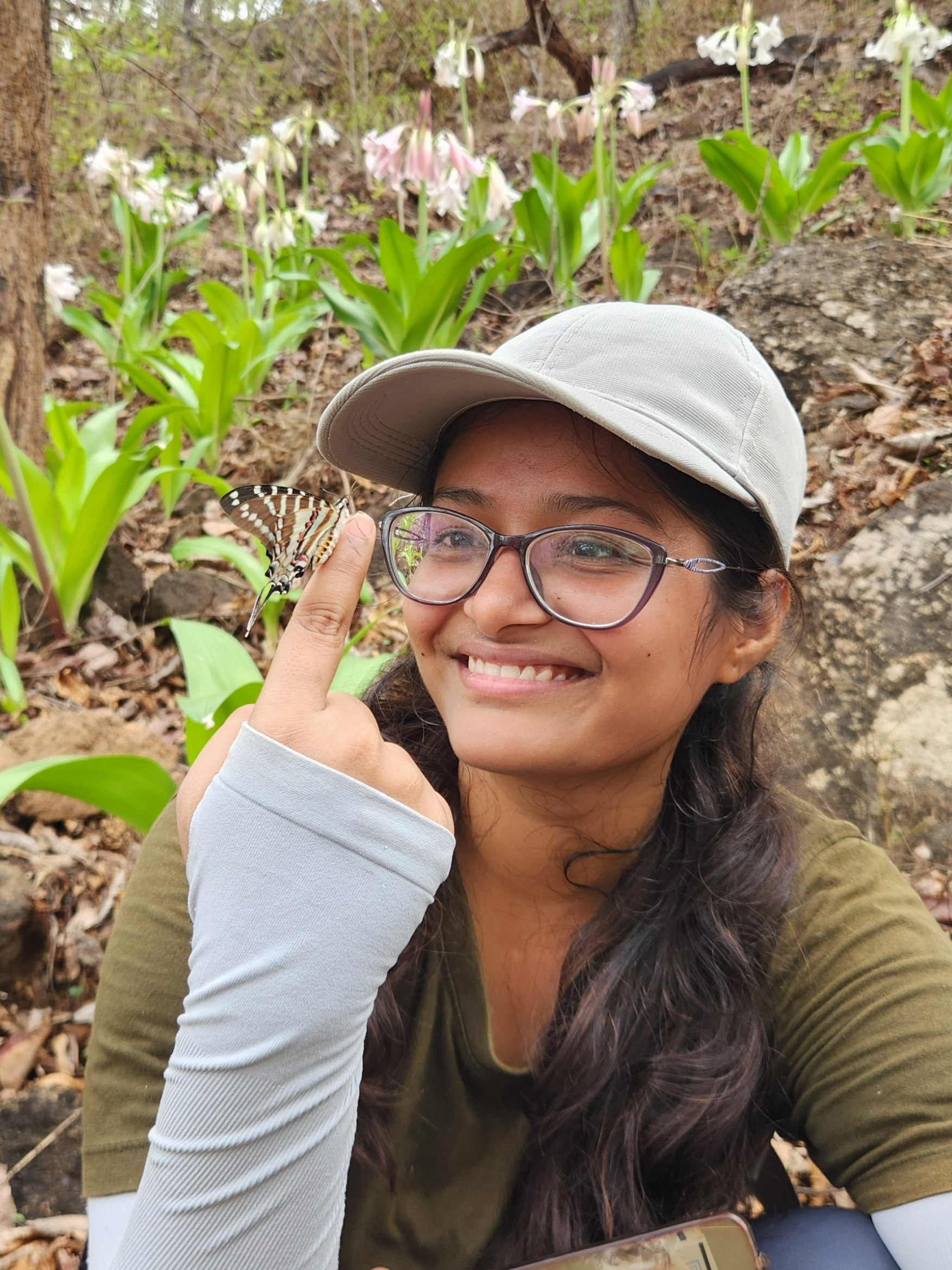
Kanchi Harchekar
Kanchi holds a BSc and MSc in Botany and has spent 3–5 years interpreting local biodiversity across mangroves, wetlands, and urban green spaces of the Western Ghats. Patient, observant, and deeply connected to coastal ecosystems — much like her spirit animal, the Fishing Cat — she designs NatEx's event brochures and leads walks that help people notice what they've always walked past. Her most electric moment: a leopard crossing the road mid-trail at Goregaon Film City.
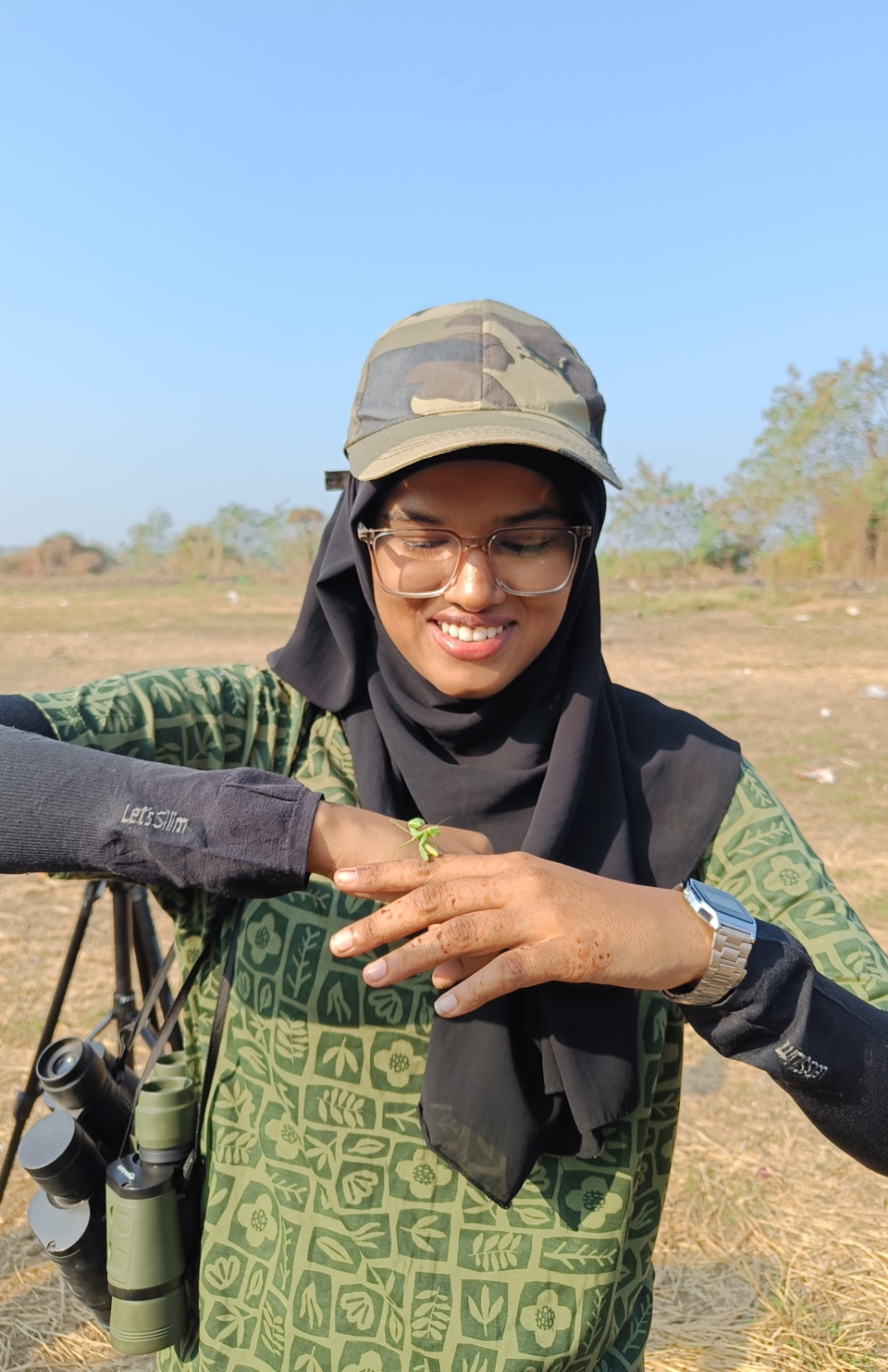
Afida Idrisi
Afida turns nature into stories — and does it in a way that feels like a conversation rather than a lecture. Certified in Sustainable Green Ecotourism, she works with early childhood through middle school groups on tribal ecology and sensory nature walks. Her most memorable field moment? Accidentally recording the call of a White-eyed Buzzard mid-shoot — a species last sighted at that location in 2017.

Chahat Yadav
With 3,000+ hours in the field and an M.Sc. in Zoology (Oceanography & Fishery Science), Chahat has gone from spotting Mumbai's endemic Bombay dorid on Girgaon shores to swimming alongside lionfish and stonefish in the Havelock Islands. She leads flamingo surveys at Thane Creek, microplastic assessments, and school nature trail programs. Her philosophy is simple — notice the smaller things, and you start to feel part of something much bigger.
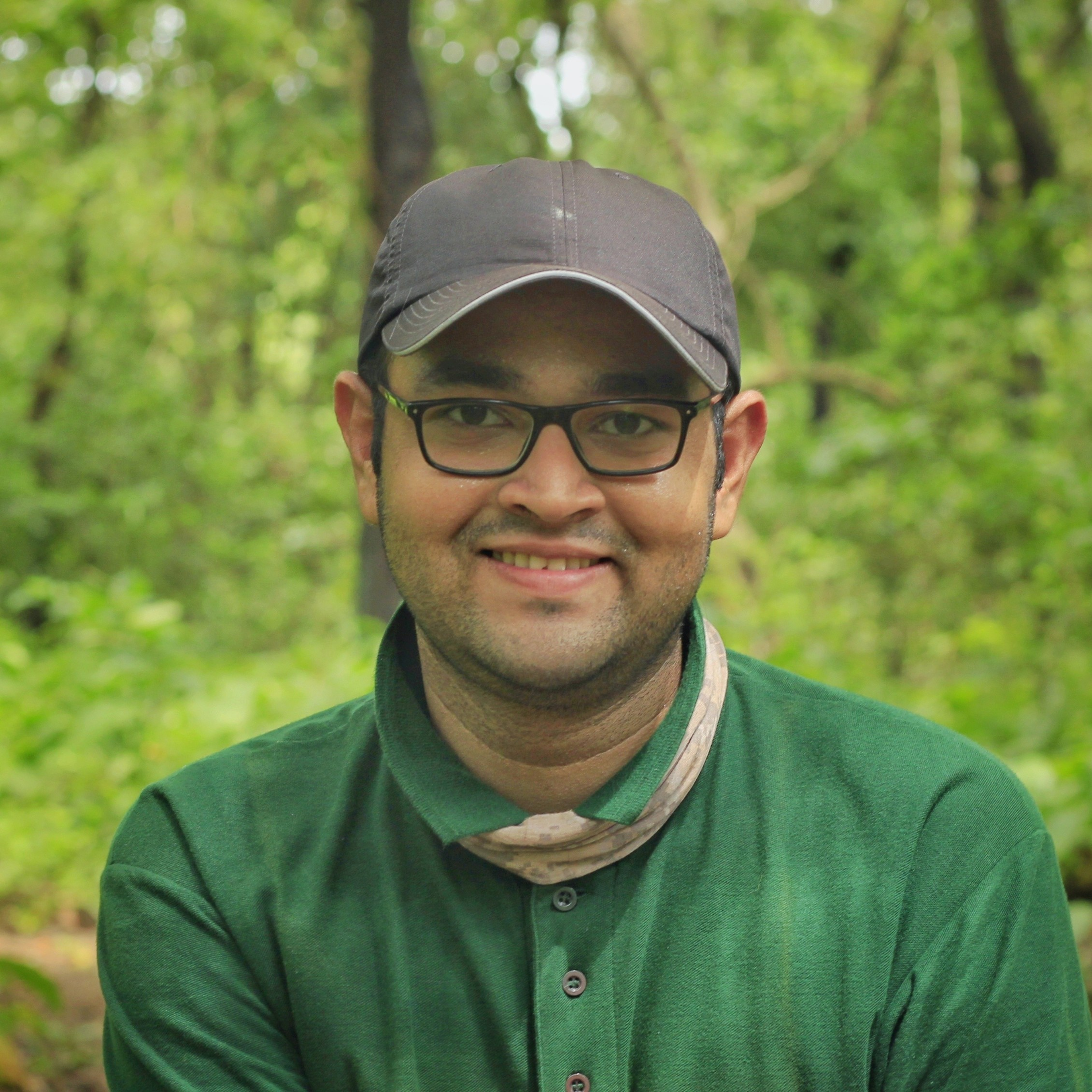
Aditya Gadkari
With 10+ years and 3,000+ hours across the Western Ghats, Himalaya, Northeast India, and Andaman, Aditya is an IUCN Red List Assessor, PADI Advanced Open Water Diver, and one of the most broadly trained naturalists on the team. He has led leopard population estimations in Mumbai, red list assessments for endemic plants, and avian frugivory research in Andaman. His philosophy: always question everything — the standard narrative rarely tells the full story.
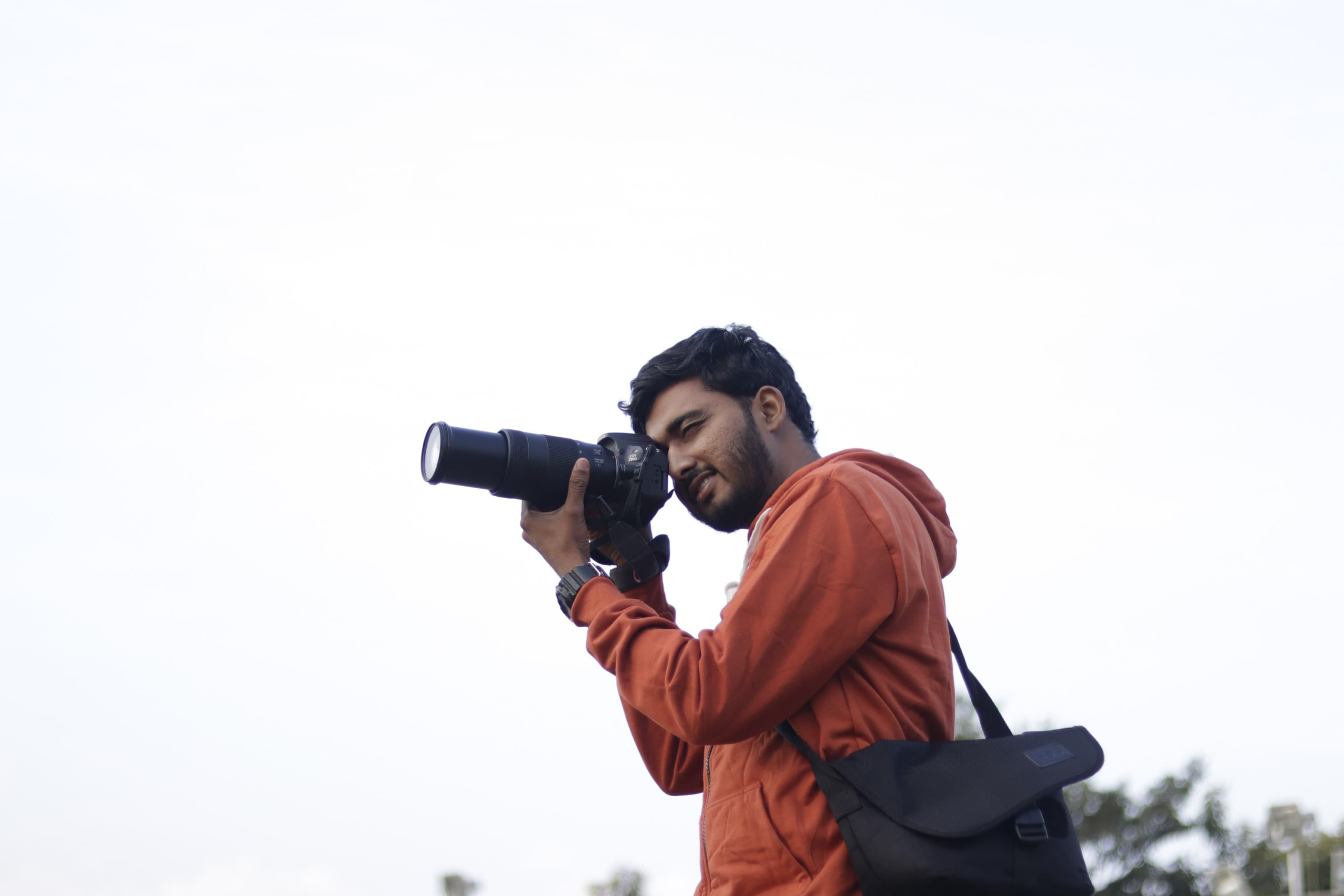
Umesh Avadootha
Over a decade in the field has taken Umesh from Mumbai Zoo internships to crocodile behaviour studies on the Savitri River, bird counts at Phansad, and biodiversity surveys across urban green spaces. He speaks four languages and works with all ages, seeing himself first and foremost as a bridge between people and nature. His spirit animal — the Greater Coucal — calm, present, and more connected to its surroundings than most people realise.
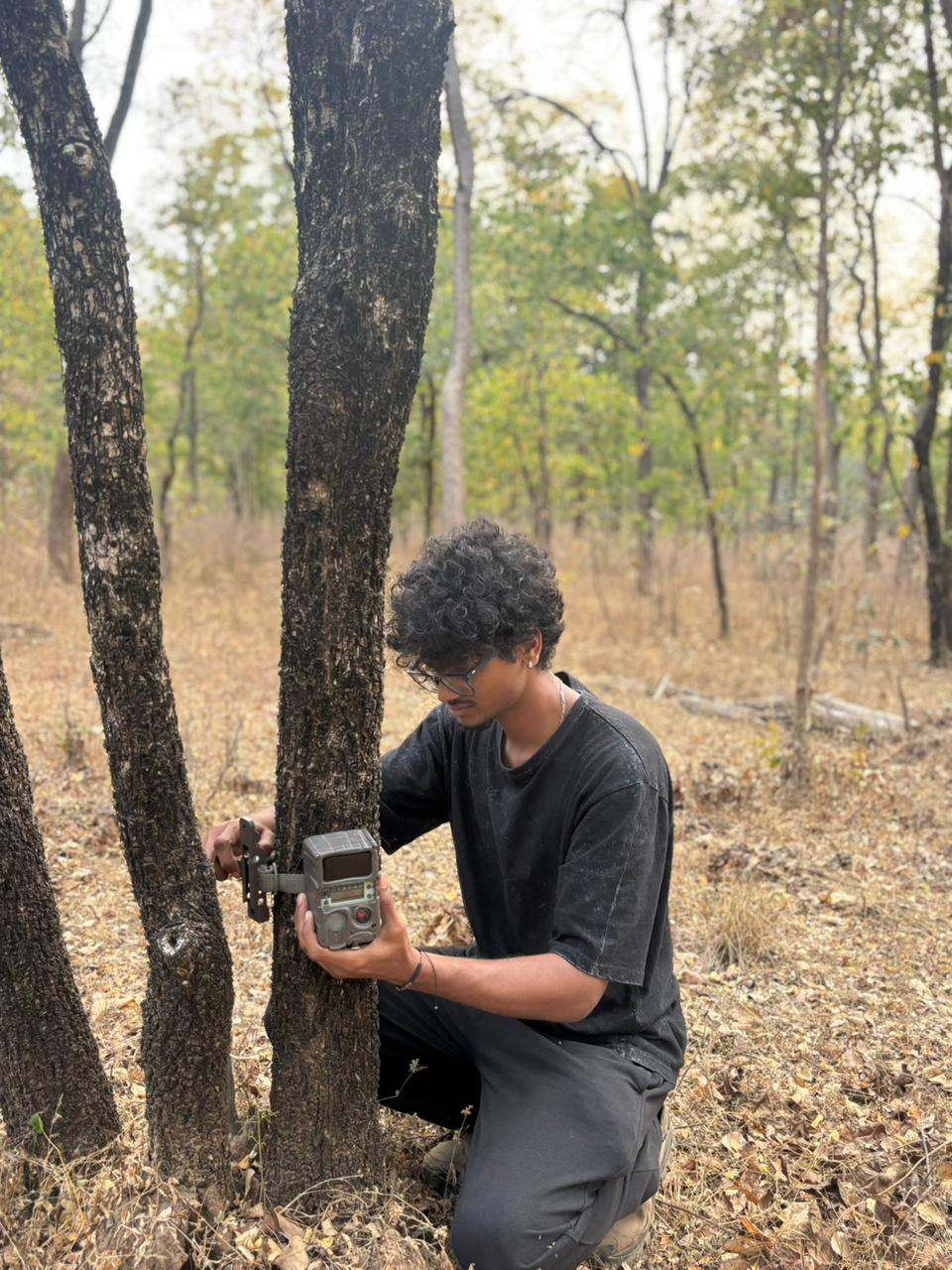
Yashraj Thakare
Yashraj started with insects, got pulled into reptiles, and hasn't stopped since — holding a Masters in Wildlife Conservation Action and a BNHS Naturalist Training certification, with field experience across the Western Ghats, Central India, and the Terai landscape through WTI's Tiger Project. His most unforgettable moment: a late night in Pench, a distant growl growing closer in total darkness, until torchlight caught two eyes shining back just 100 feet away. His advice — don't overthink it, just feel it.
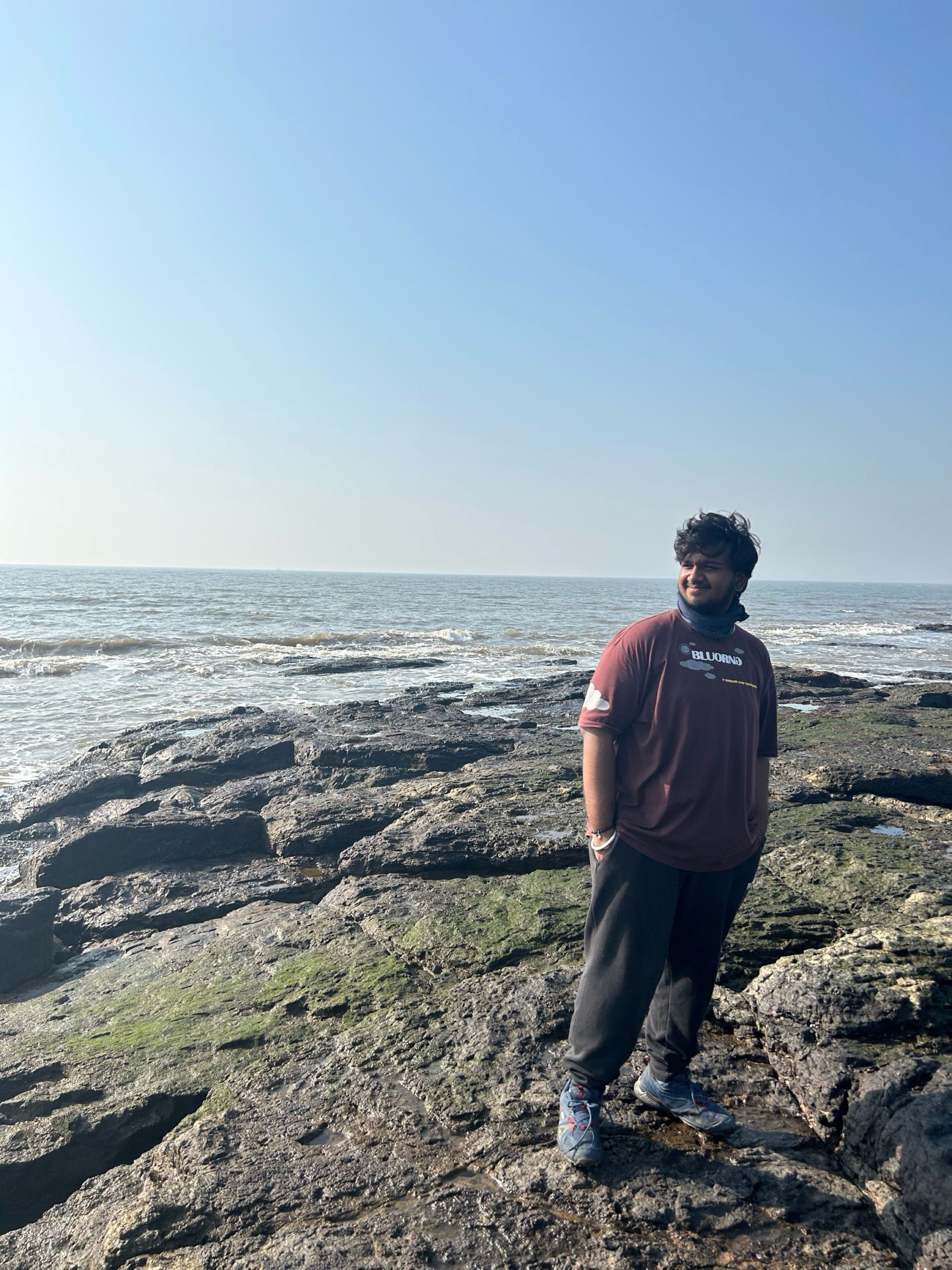
Trupaank Gautam
Trupaank holds a Masters in Wildlife Conservation and Biodiversity Management and has surveyed agro-forests with WWF and butterflies with the Pench Forest Department. He specialises in urban wildlife — the species that survive and adapt within cities despite everything humans throw at them. His closest field call: a leopard encounter while he was filming a beetle. He maintains that most of the world's wildlife diversity lives in insects, and within insects, beetles reign supreme.

Sumrit Lahot
Sumrit has spent 3–5 years in the forests of the Western Ghats and Central India with a camera, a flash, and a diffuser — and an ability to keep participants genuinely engaged even through an empty trail. His philosophy is personal: nature is his best friend when he's sad, his motivation when he's down, his escape when he's stressed. His favourite sighting came on a solo birding trail when a White-eyed Honey Buzzard landed right in front of him with a fresh kill — proof that the forest is always unexpected.
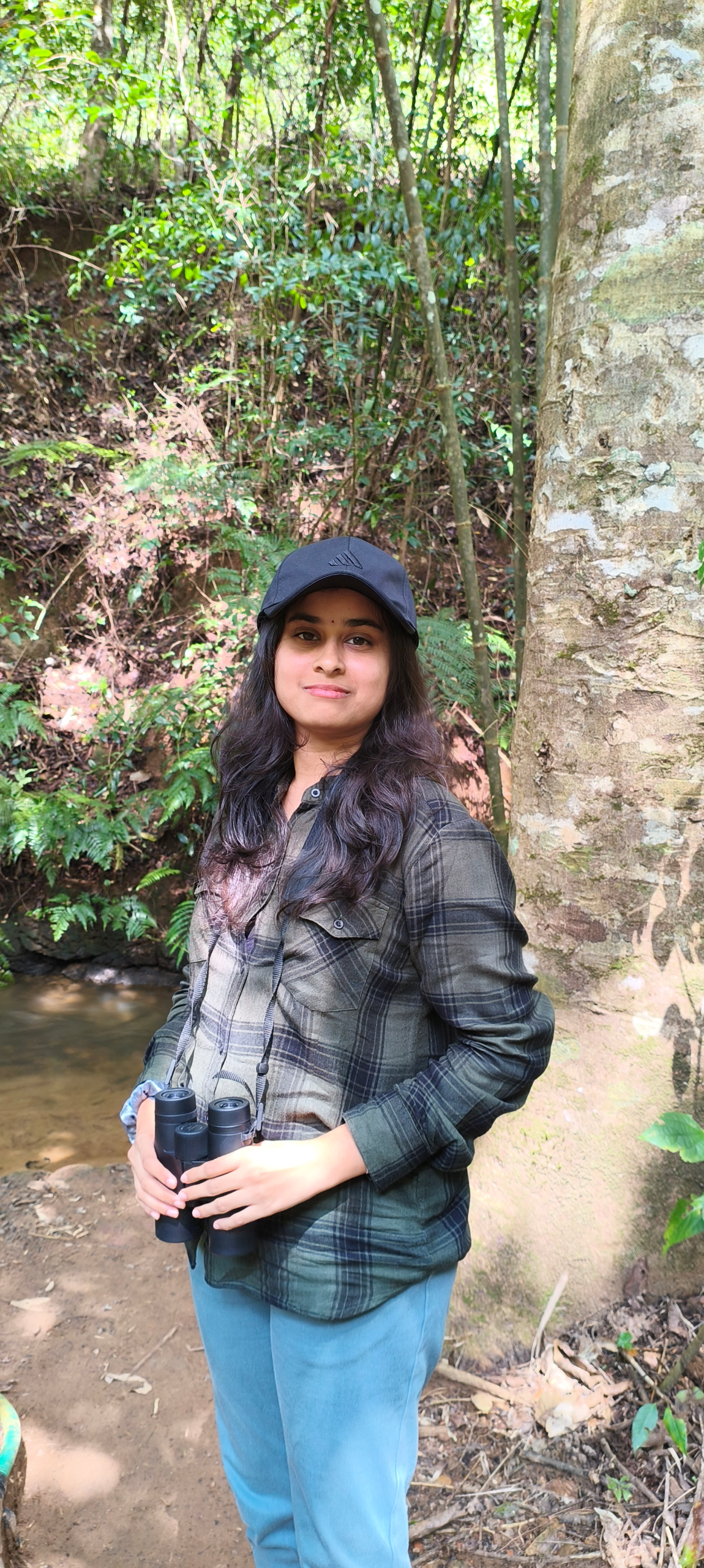
Gauri Joshi
Gauri holds an MSc in Botany and has spent 3–5 years leading urban birding trails, garden walks, and college excursions across Mumbai's green spaces. She has participated in bird surveys at Sanjay Gandhi National Park and brings a botanist's eye to wildlife education — noticing what others walk past. Her most formative moment came as a child, watching a tigress up close in Tadoba — the encounter that confirmed she wanted to spend her life working for the environment. She facilitates in three languages for mixed age groups.
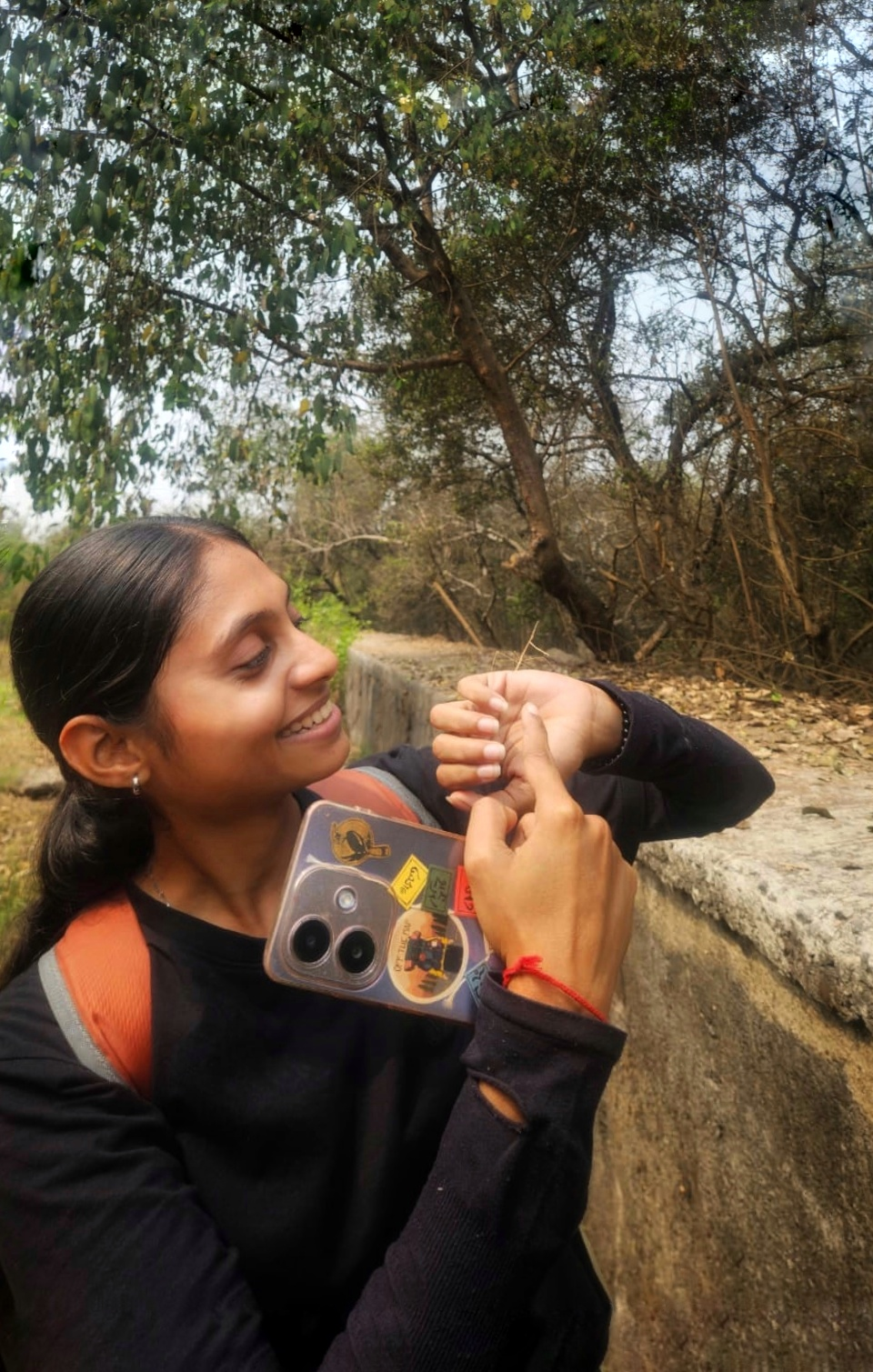
Mansi Nanarkar
Mansi holds an MSc in Animal Physiology and has spent 3–5 years and 3,000+ hours in the Western Ghats, quiet at first but wholly animated the moment wildlife enters the conversation. Her most memorable encounter was watching a dehydrated Indian Spectacled Cobra revive in the rain, raise its full hood, and disappear into the forest — a reminder that nature's recoveries are as powerful as its dangers. She works with all ages and facilitates in three languages.
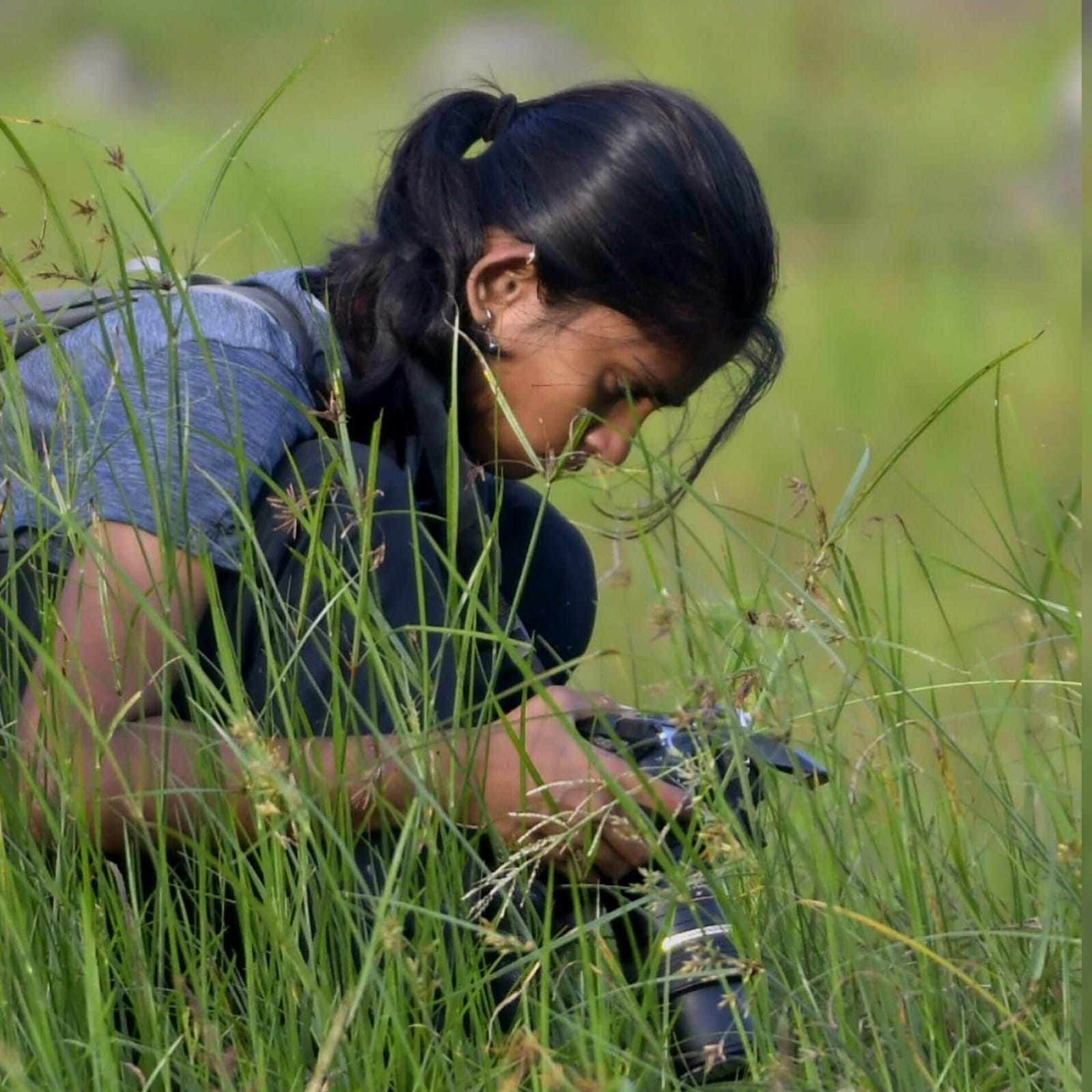
Shambhavi Chavan
Shambhavi spent 11 months as a Mangrove Consultant on the WWF India–Godrej–Stanford Mangrove Coalition Project, and holds a Masters in Biodiversity, Wildlife Conservation & Management. Her field encounters include locking eyes with a vulnerable Asian Small-clawed Otter in a West Bengal mangrove, and being surrounded by a tigress and her five ten-month-old cubs on a solo gypsy in UPK Wildlife Sanctuary. She believes teaching nature is an act of translation — turning complexity into connection.
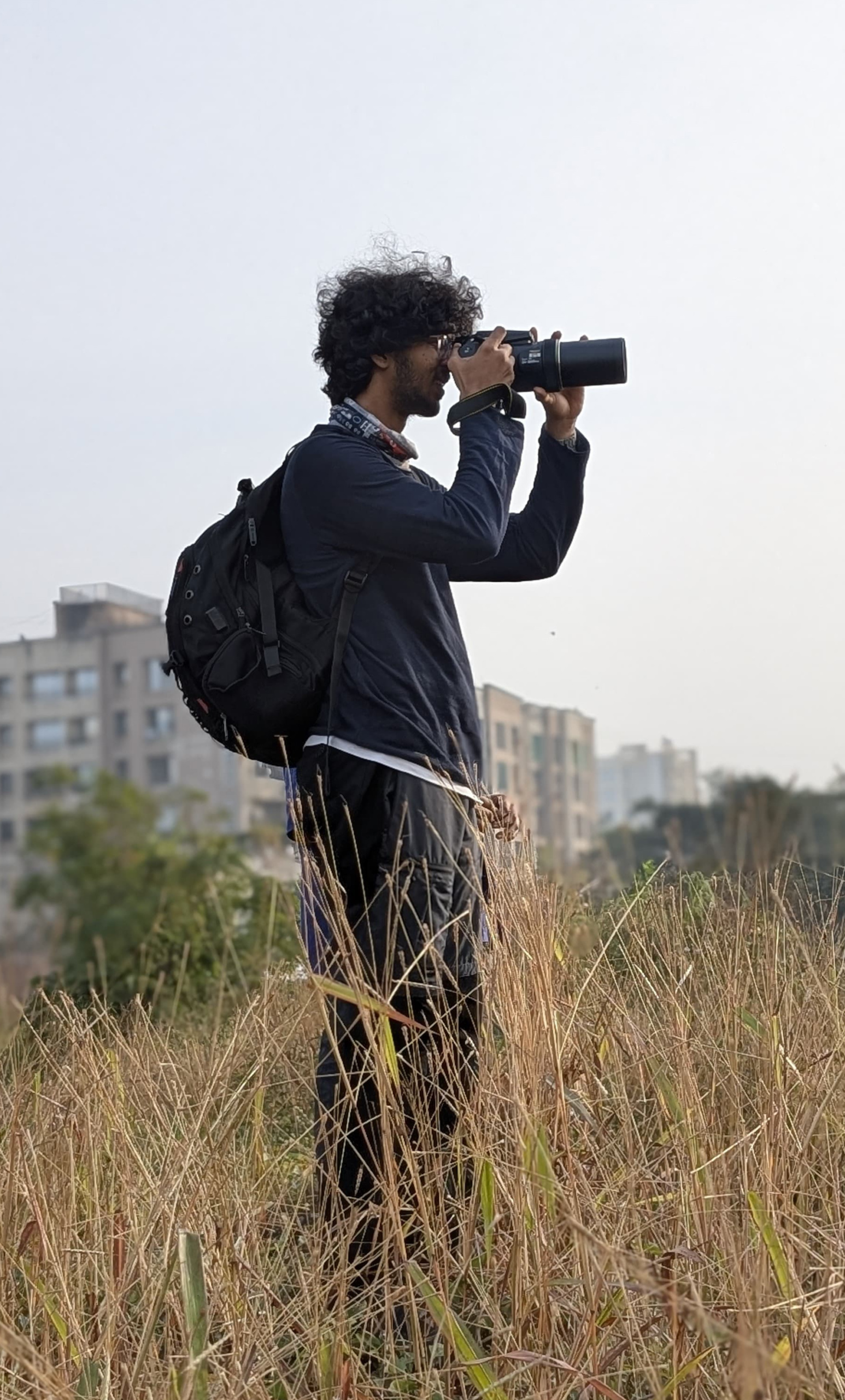
Ishaan Prabhudesai
Ishaan has a BSc in Zoology and has volunteered at scientific herp counts and bird surveys with the Green Works Trust at Phansad. His unexpected otter sighting at TS Chanakya wetland in Navi Mumbai — confirmed by fresh pugmarks — is the kind of urban wildlife discovery that defines his approach: the city has far more living in it than most people ever notice. He facilitates in three languages and works from primary school through adult groups.
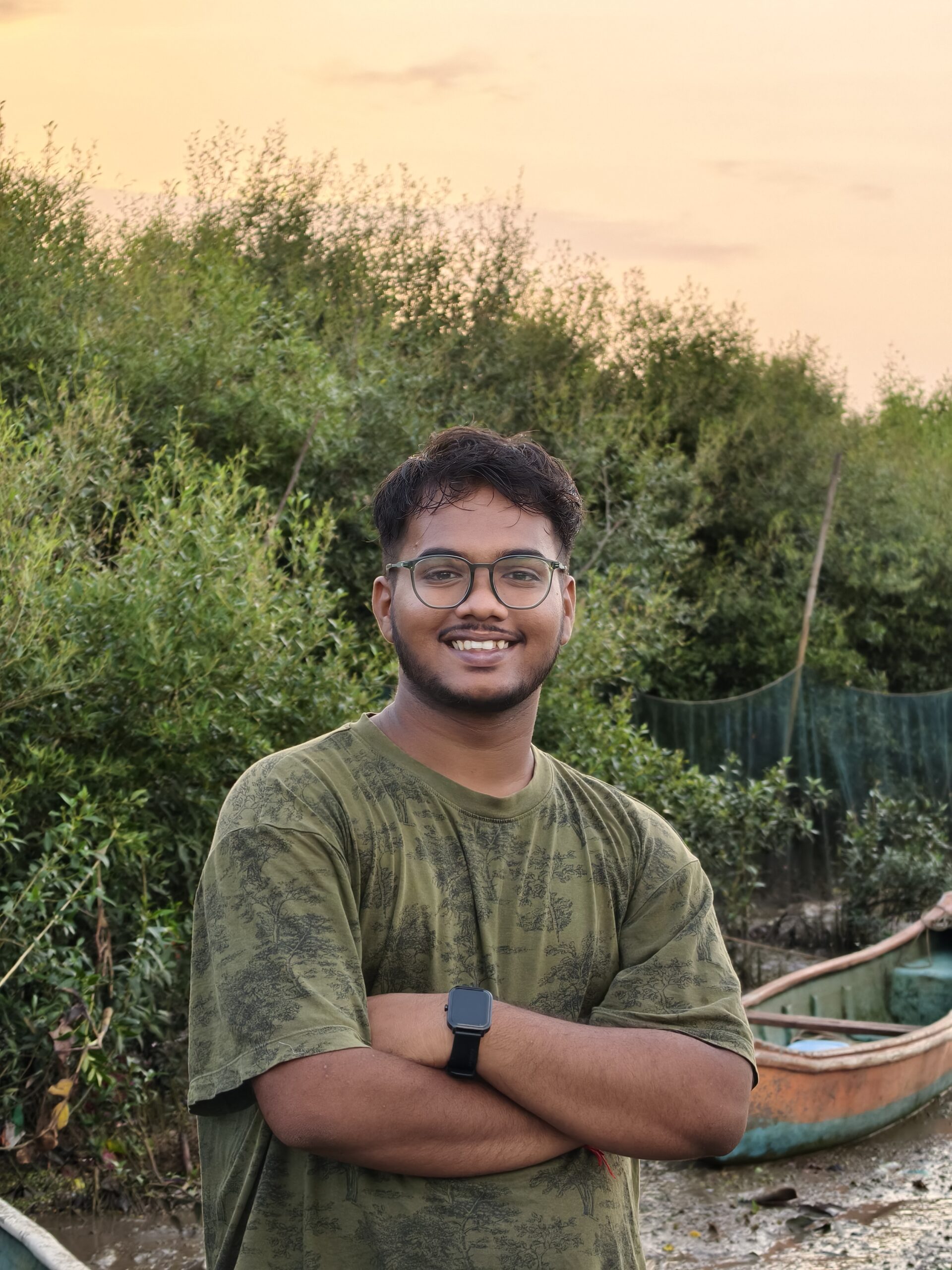
Prathamesh Gawde
Known in the field as "outlander," Prathamesh has logged 3,000+ hours across the Western Ghats, Deccan Plateau and coastal India, holding a B.Sc. in Botany and Zoology and contributing to tree surveys in Lonavala and bird-and-bat projects in Karnataka. Often labelled a plant enthusiast, he delights in surprising people with his grasp of animal ecology too — and his favourite myth to bust is that plants have no language. His most treasured find? His first Lantern flower on a trek up Sinhagad.
Durga Thakur
An M.Sc. Marine Sciences candidate at Goa University with a B.Sc. in Zoology, Durga pairs fieldwork with science communication — from coastal biodiversity surveys and mangrove assessments to GIS-based environmental mapping along India's west coast. Watching dolphins surface alongside her boat on a coastal field visit was the moment that sealed her path into marine conservation. Her guiding belief: we protect what we understand, and we understand what we take the time to observe.
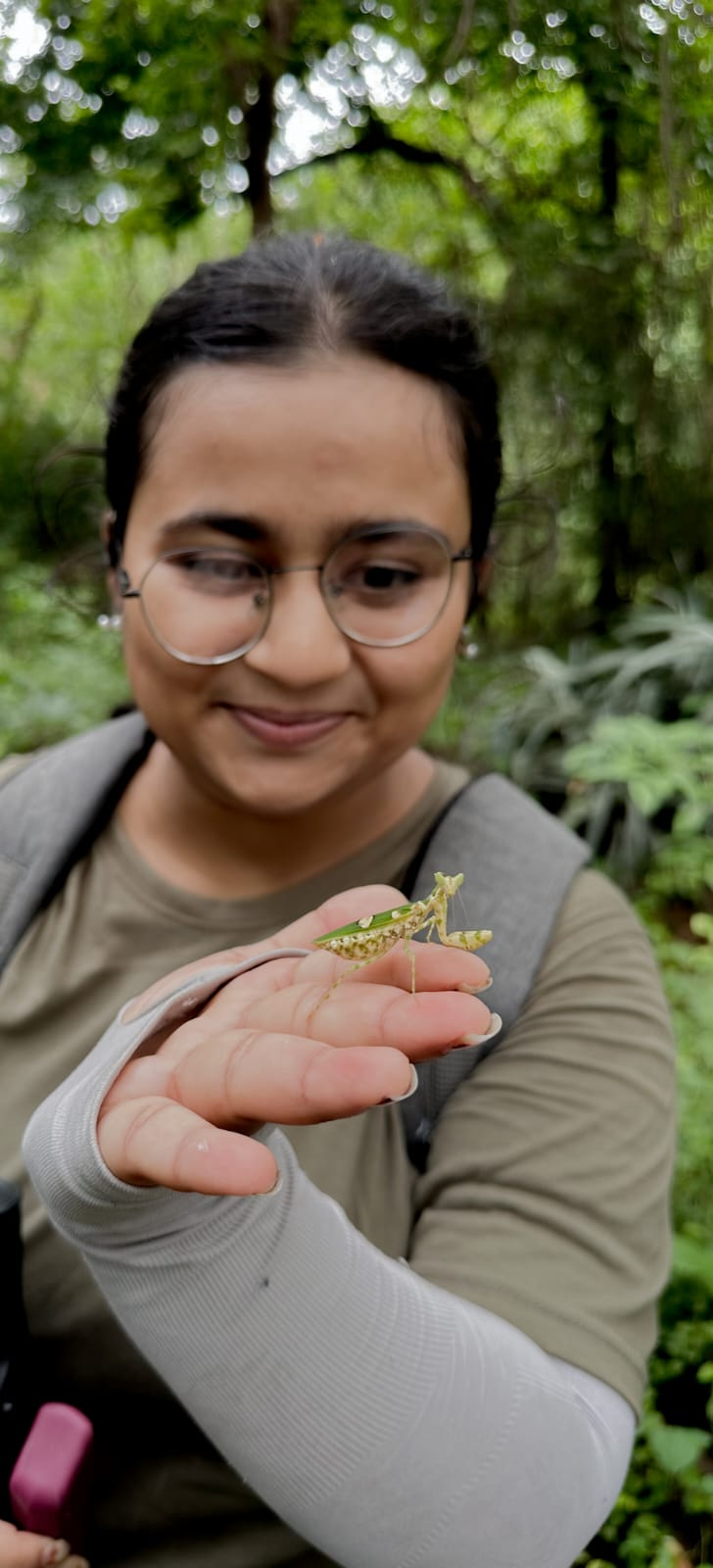
Sneha Singh
Sneha holds an M.Sc. in Zoology with a focus on Oceanography from Mumbai University and has worked across Pench, CMFRI, BNHS marine trails, and a ten-day BioBlitz. Her standout encounter was discovering Dendrodoris fumata and Elysia nudibranchs on an intertidal trek — the moment her academic passion and fieldwork fully aligned. She believes Mumbai's rocky shores aren't waste ground — they're high-stakes ecosystems most people simply haven't learned to read yet.
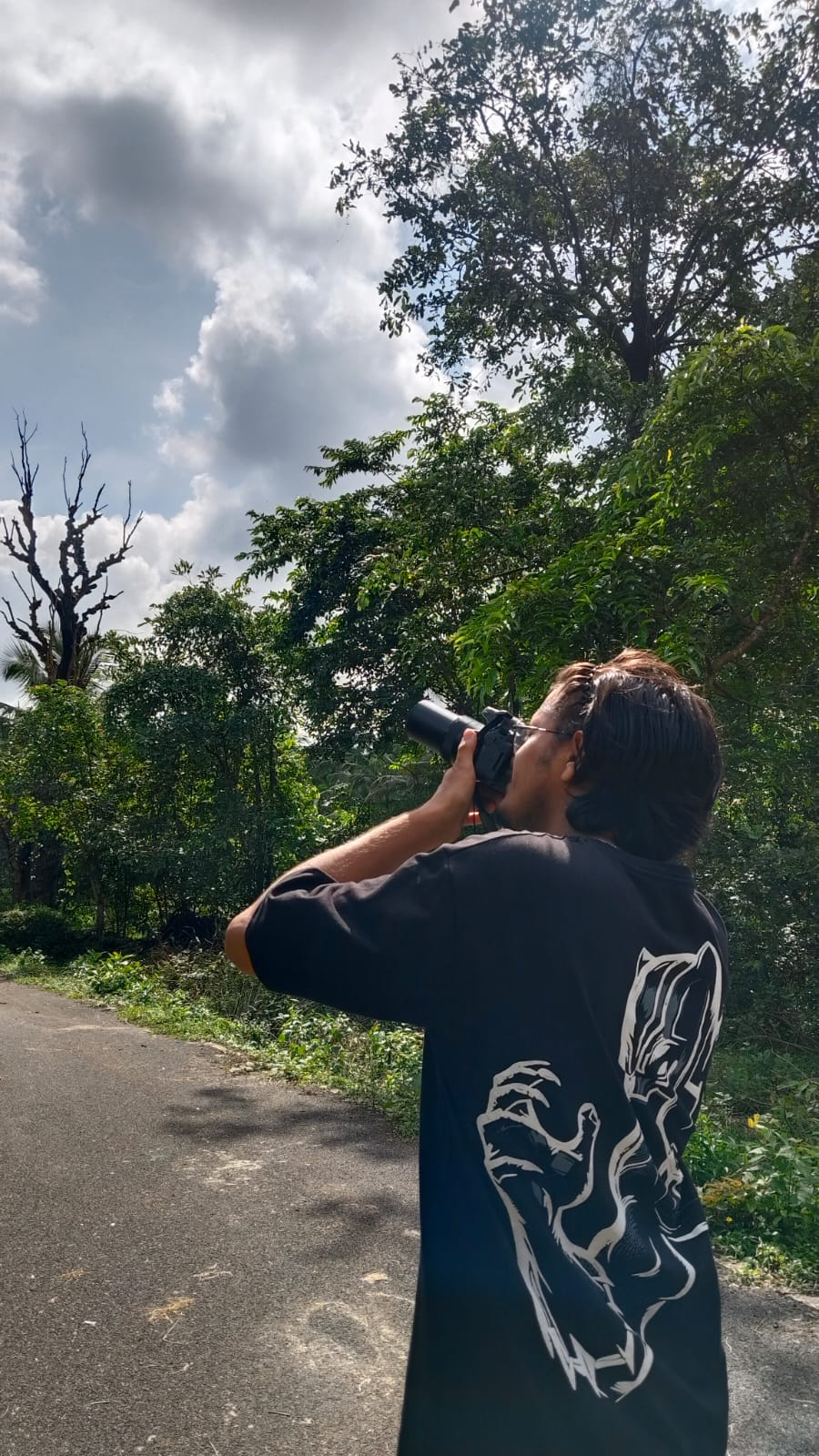
Ashutosh Singh
Ashutosh holds a BSc in Zoology and participated in the 4th Bird Survey at Pench Maharashtra in 2025, where he came face to face with a tiger at close range — on foot, in silence, with nothing between them and the forest. He's built a field philosophy around respect over luck: the forest, he believes, reveals itself to those who earn it through patience and presence. Calm outside, entirely still inside a forest.
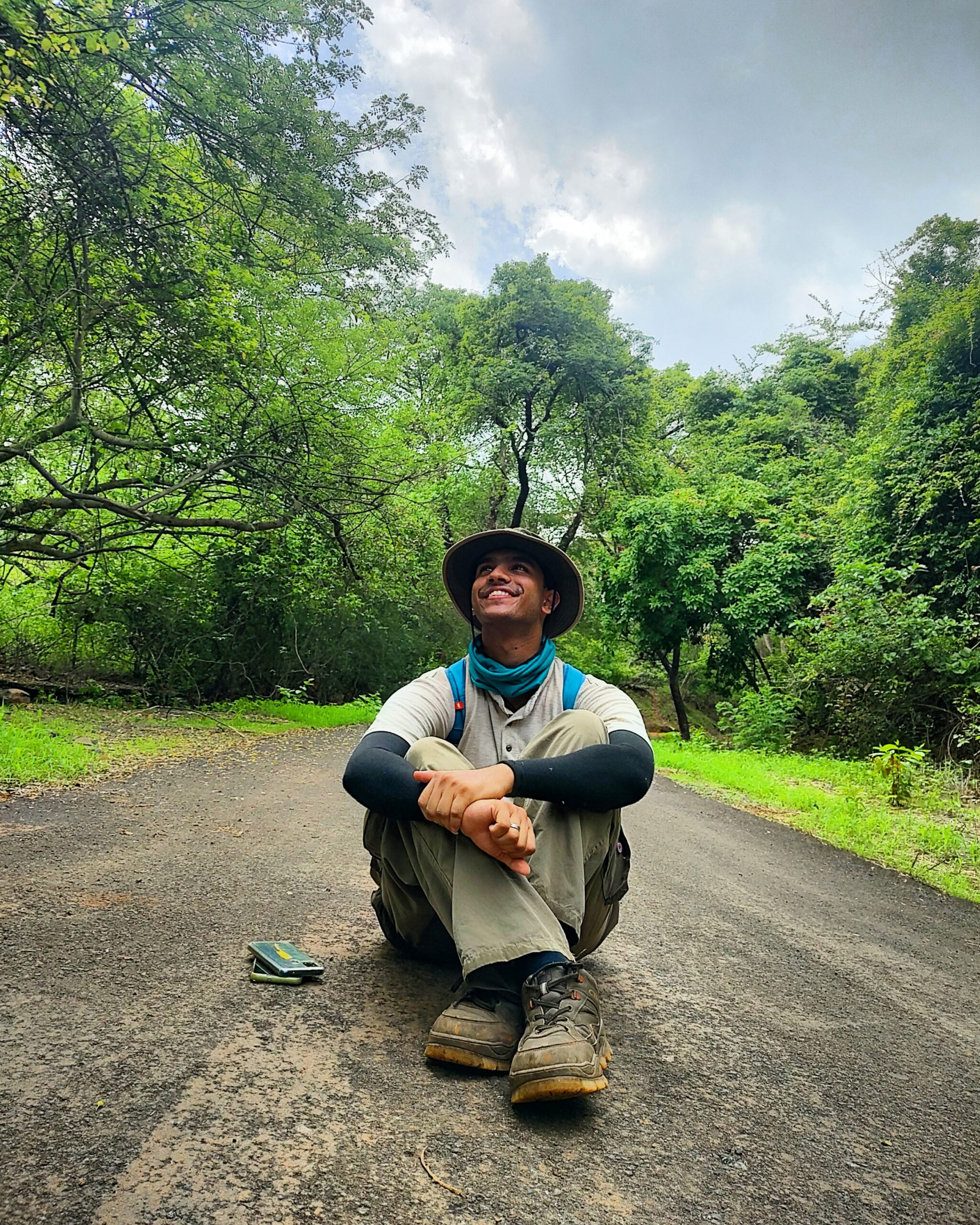
Soham Vedak
Soham is completing an MSc in Environmental Science at Somaiya Vidyavihar University, having studied Botany and Zoology at St. Xavier's College Mumbai. His passion is rare and endemic flora — he once spent years tracking down a centuries-old wild specimen of the vulnerable Vateria indica, finally finding it deep inside a sacred grove in Amboli. He has led botanical field expeditions in the Shola forests of Kodaikanal and actively plants native saplings every year. For Soham, a naturalist's job isn't just to document what's disappearing — it's to actively restore it.
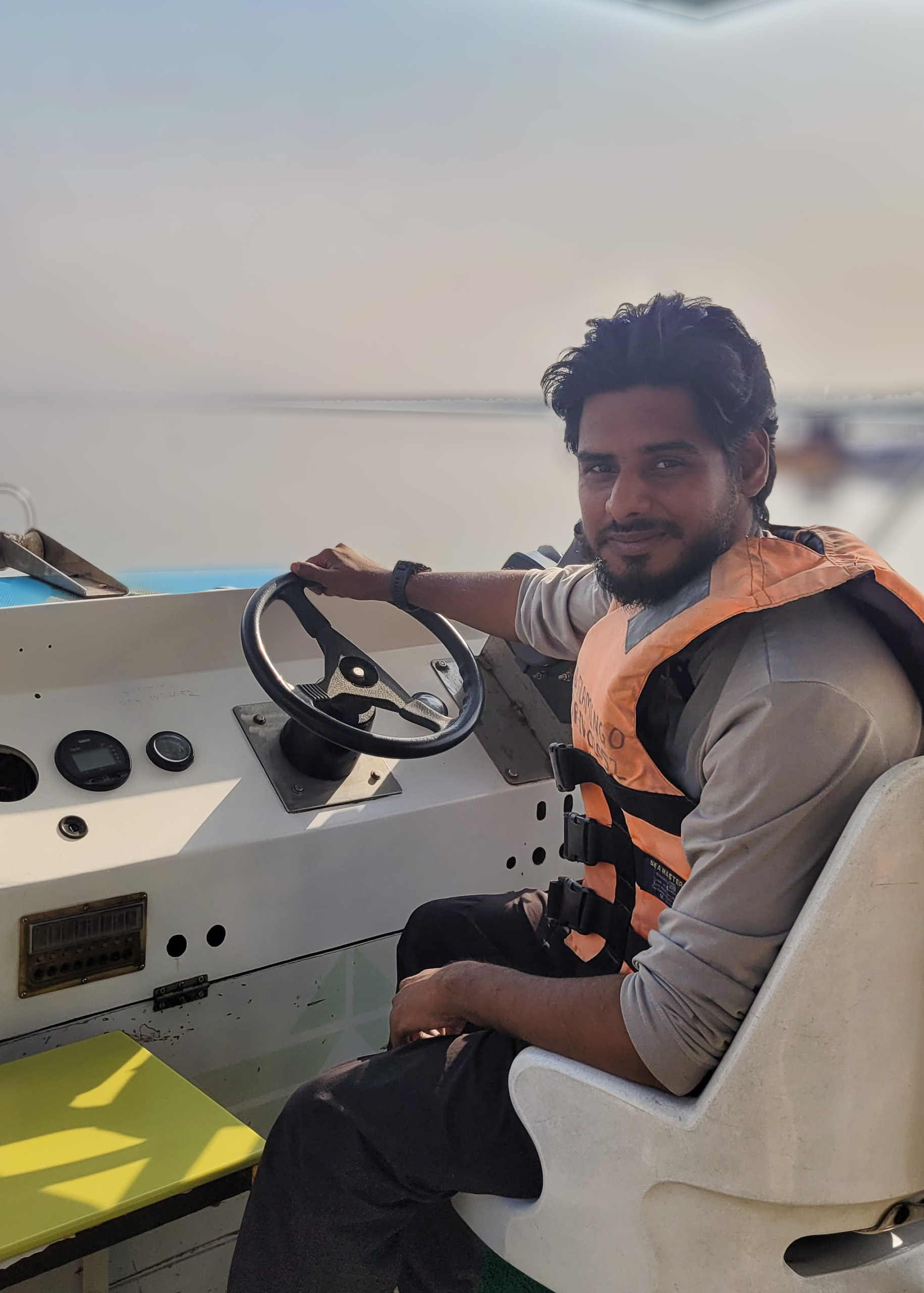
Shmes Sufyan Ansari
Shmes has logged 3,000+ hours studying birds — from frog mating behaviour in the Western Ghats to waterbird monitoring at Point Calimere with BNHS — and holds an MSc in Biodiversity, Wildlife Conservation & Management alongside a wildlife filmmaking certification. He once held a baby flamingo in his hands at Karave wetland before sending it for rehabilitation at Karnala Bird Sanctuary. For Shmes, a bird isn't just a sighting — it's a live read of the health of an entire ecosystem.
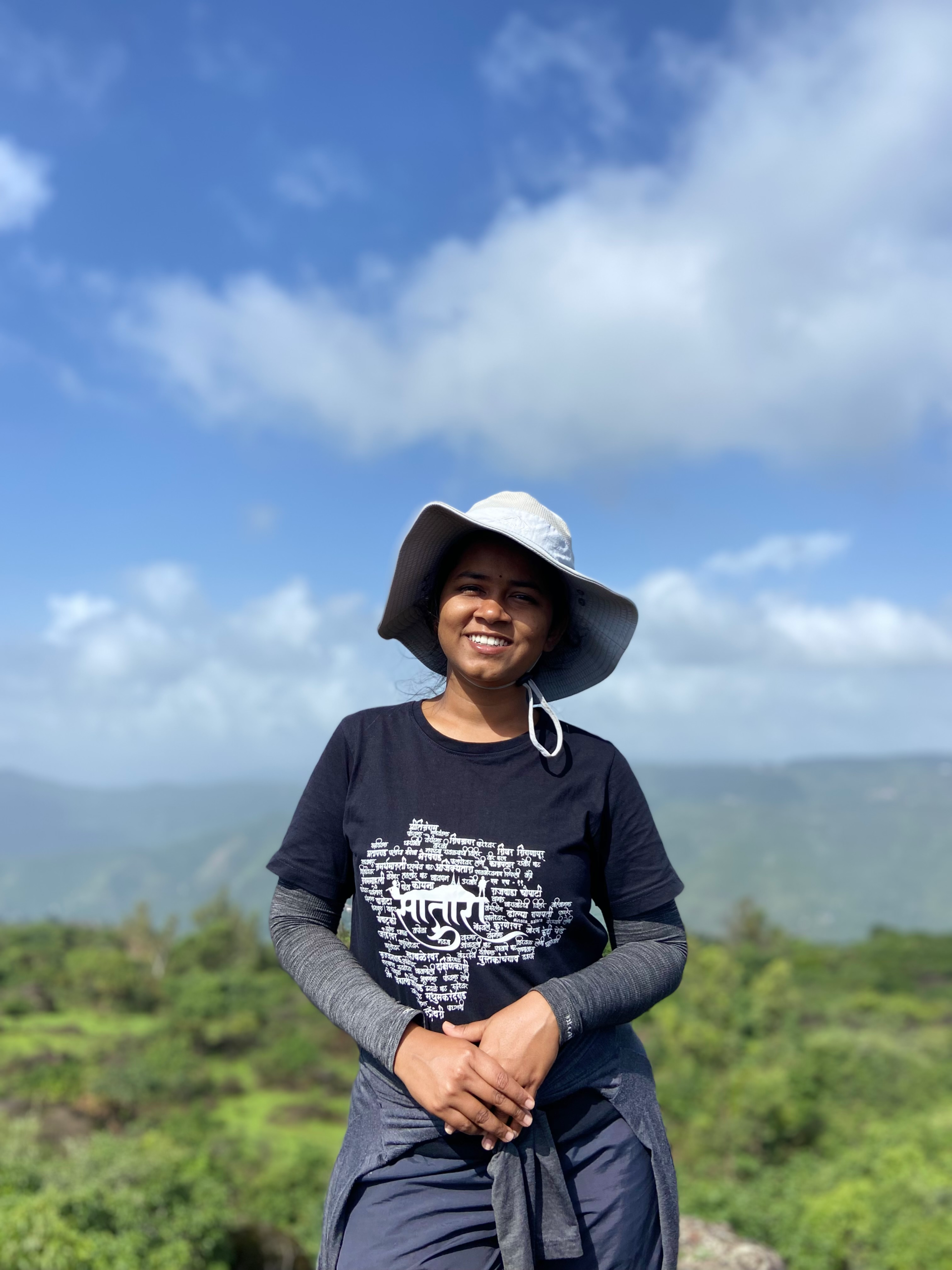
Santoshi Kadu
A Masters in Taxonomy of Angiosperms and a Wilderness First Aid certification underpin Santoshi's 5–10 years leading nature trails across the Western Ghats, Central India, and the Deccan Plateau. She has volunteered with WWF's Ek Pruthvi program and works with all ages in three languages. Her most memorable field night: waking to broken barbed wire, snapped branches, and enormous footprints — a rogue elephant had passed through their campsite in the Coorg rainforest while they slept.
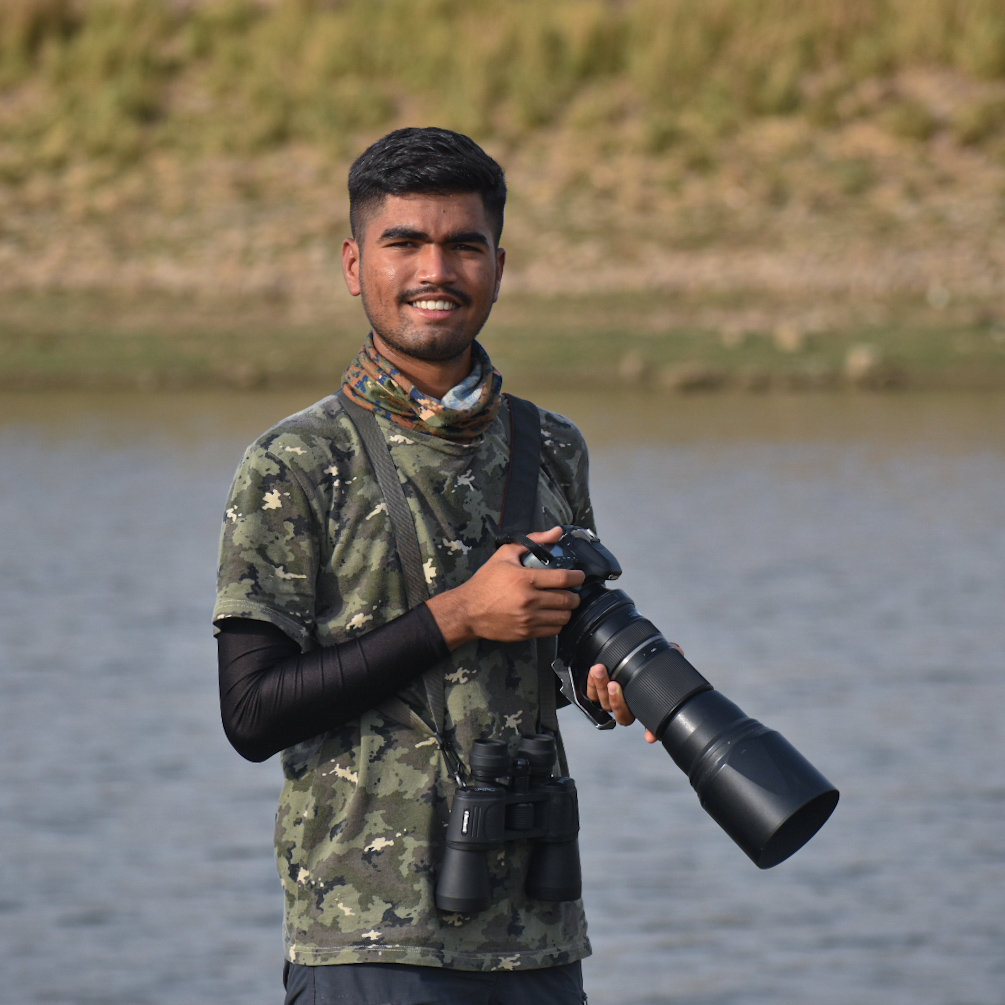
Shubham Hadkar
Shubham holds an M.Sc. in Biodiversity, Wildlife Conservation & Management and has researched butterfly diversity across the tri-district landscape of Uttarakhand, studying species richness and altitudinal gradients. His 5–10 years in the field span the Western Ghats, Himalaya, Deccan Plateau, and coastal India — and he facilitates in four languages including Malvani. He doesn't walk into forests to complete trails; he walks in hoping nature will hand him one unforgettable moment.