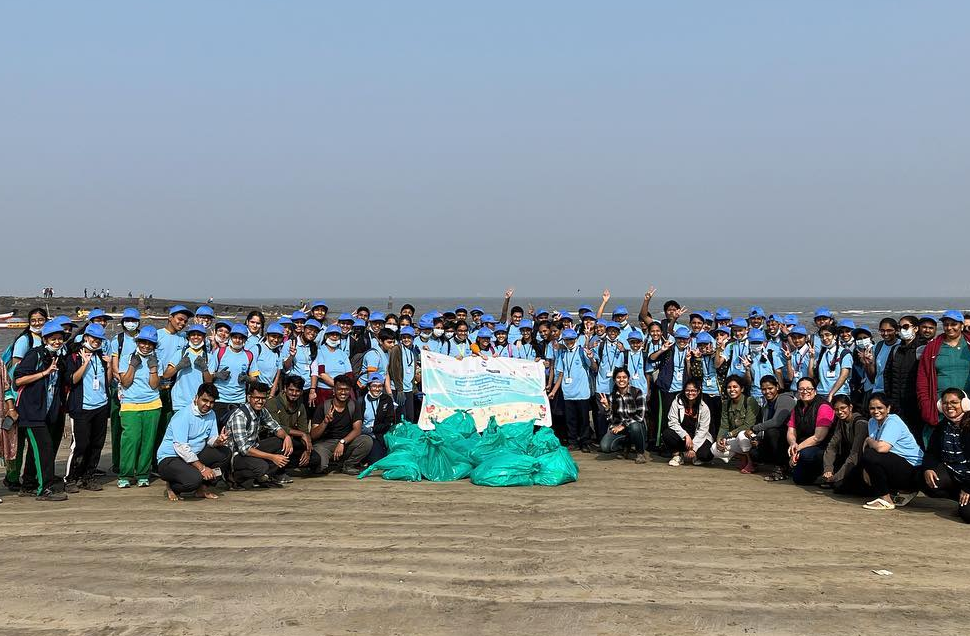
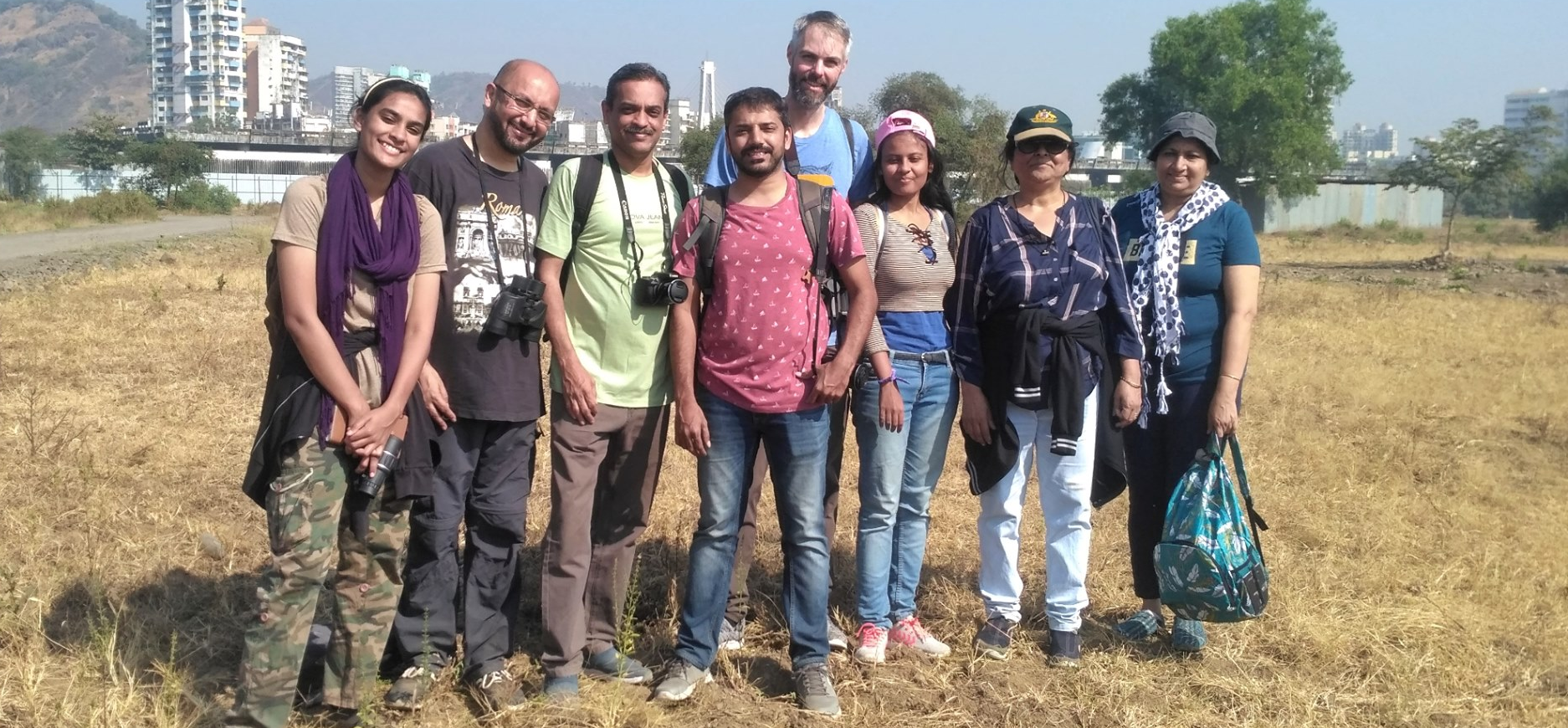
Kharghar Shrublands recently played host to an extraordinary nature trail organized by the NaturalisT Foundation on the occasion of World Wetlands Day. While this relatively unknown pocket of Navi Mumbai initially seemed like just another dry patch of land to a casual observer, it quickly revealed itself as an incredibly rich, thriving habitat teeming with active wildlife.
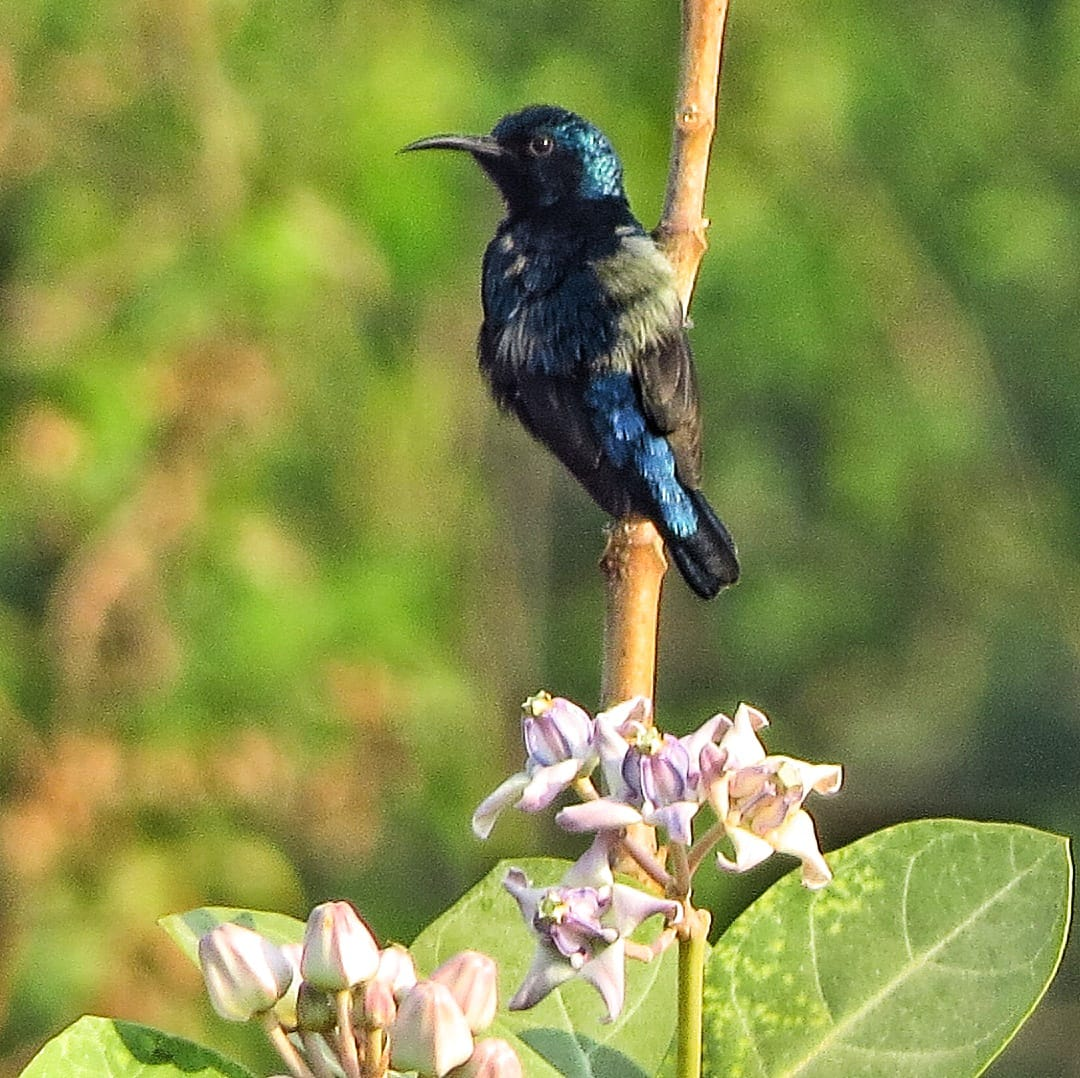
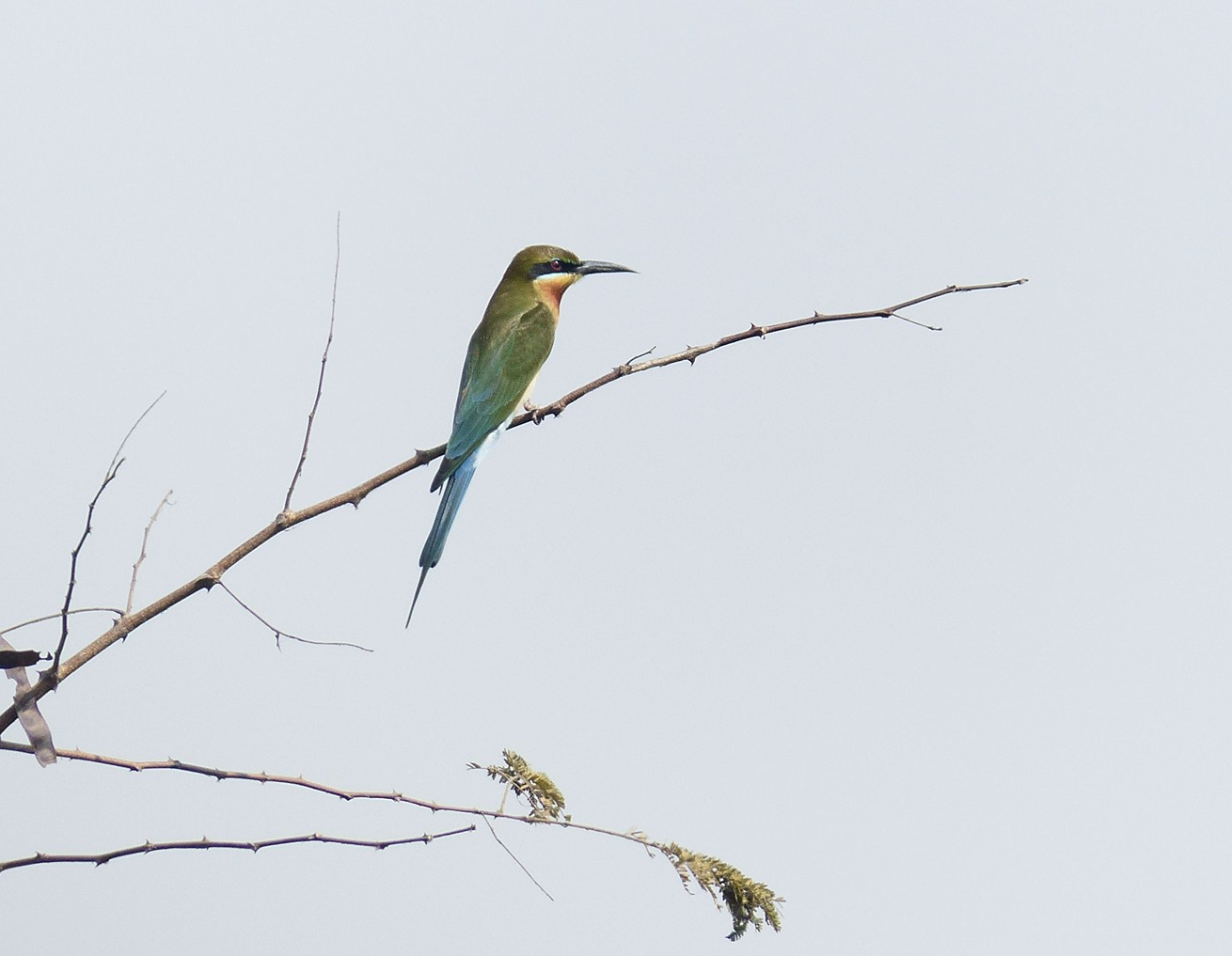
By the time our morning session concluded, our group of eager participants had observed and documented an impressive diversity of more than 55 distinct bird species.
Why the Kharghar Shrublands Are a Biodiversity Hotspot
Many people overlook shrublands, assuming they lack the ecological value of dense forests or lush wetlands. However, the unique geographic positioning of the Kharghar Shrublands makes it a vital transitional zone. Here, dry grasslands seamlessly blend into moist, low-lying marshlands. This intersection of ecosystems creates a unique “ecotone”—a transition area between two biomes where wild diversity absolutely thrives.
During our trail, we actively observed species occupying three distinct habitat zones:
- The Grasslands: We spotted active pipits darting through the dry brush and wagtails bobbing along the rocky pathways.
- The Shrubby Undergrowth: Starlings and restless prinias flitted between thorn bushes, keeping our birdwatchers on their toes.
- The Wetland Edges: Because the shrublands sit adjacent to tidal channels, we were treated to stunning views of elegant waders probing the mudflats alongside several species of wintering ducks.
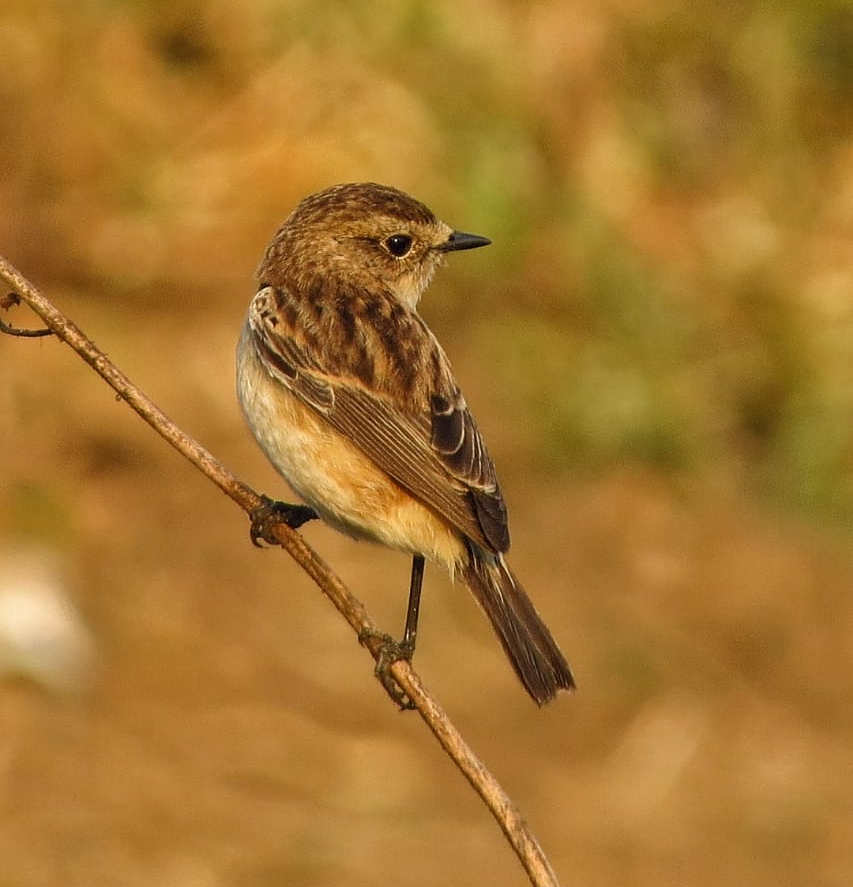
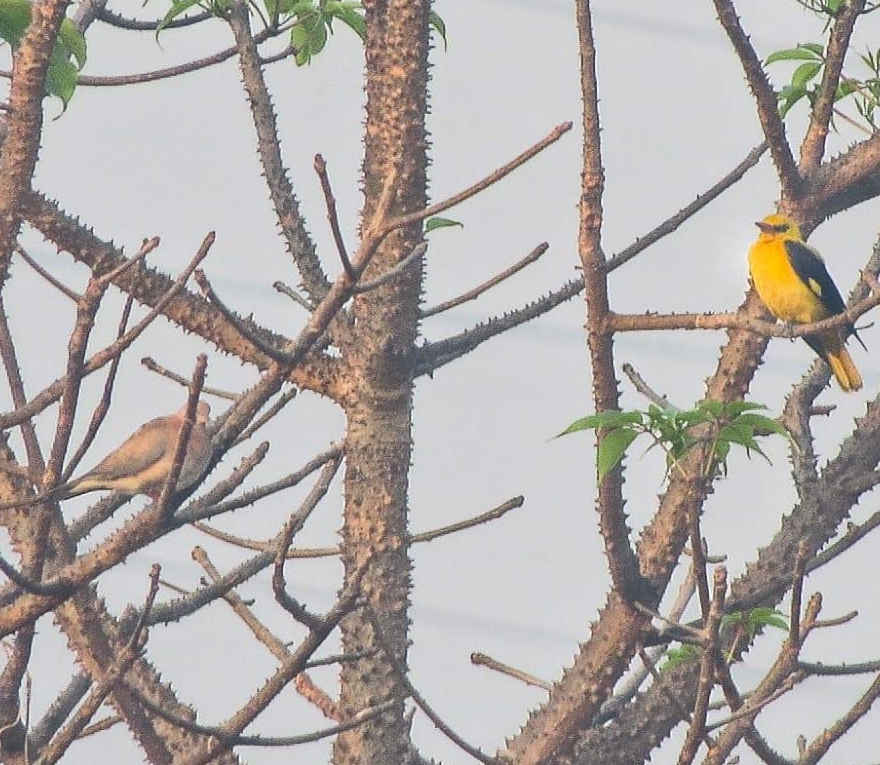
What made the experience even more memorable was seeing how beautifully these moments were captured. Equipped with cameras and binoculars, participants successfully documented many of these species, transforming a simple walk into a collective citizen-science initiative.
The Critical Role of Mumbai’s Coastal Ecosystems
Conducting this exploration on World Wetlands Day added a layer of environmental urgency to our birdwatching. Beyond simply listing species, our naturalists led vital discussions on the ecological functions of these habitats. With rapid urbanization and aggressive land encroachment across the Mumbai Metropolitan Region (MMR), places like the Kharghar Shrublands are shrinking at an alarming rate.
Losing these transitional spaces directly disrupts the local ecological balance. For a coastal, low-lying city like Mumbai, wetlands and surrounding shrublands act as natural buffers against heavy monsoon flooding, sponge up excess rainwater, and filter urban runoff before it reaches the sea.
Furthermore, these spots serve as crucial refueling stations for migratory birds traveling along the Central Asian Flyway. When we reclaim or dump debris on these spaces, we don’t just lose a patch of wild land—we directly threaten global avian migratory paths and degrade the safety of our own urban spaces.
Protecting Our Shared Natural Heritage
Our morning trail concluded with a deep, shared realization: protecting areas like the Kharghar Shrublands is not optional; it is essential for the long-term survival of both wildlife and human residents in Mumbai. Conserving these pockets of wilderness ensures that future generations can still step out of their concrete apartments and witness the quiet magic of a flying kingfisher or the song of a hidden prinia.
We want to thank every passionate explorer who joined us for this eye-opening journey. By staying curious, sharing your stunning photographs, and speaking up for local ecosystems, you help keep these vital green lungs alive.