
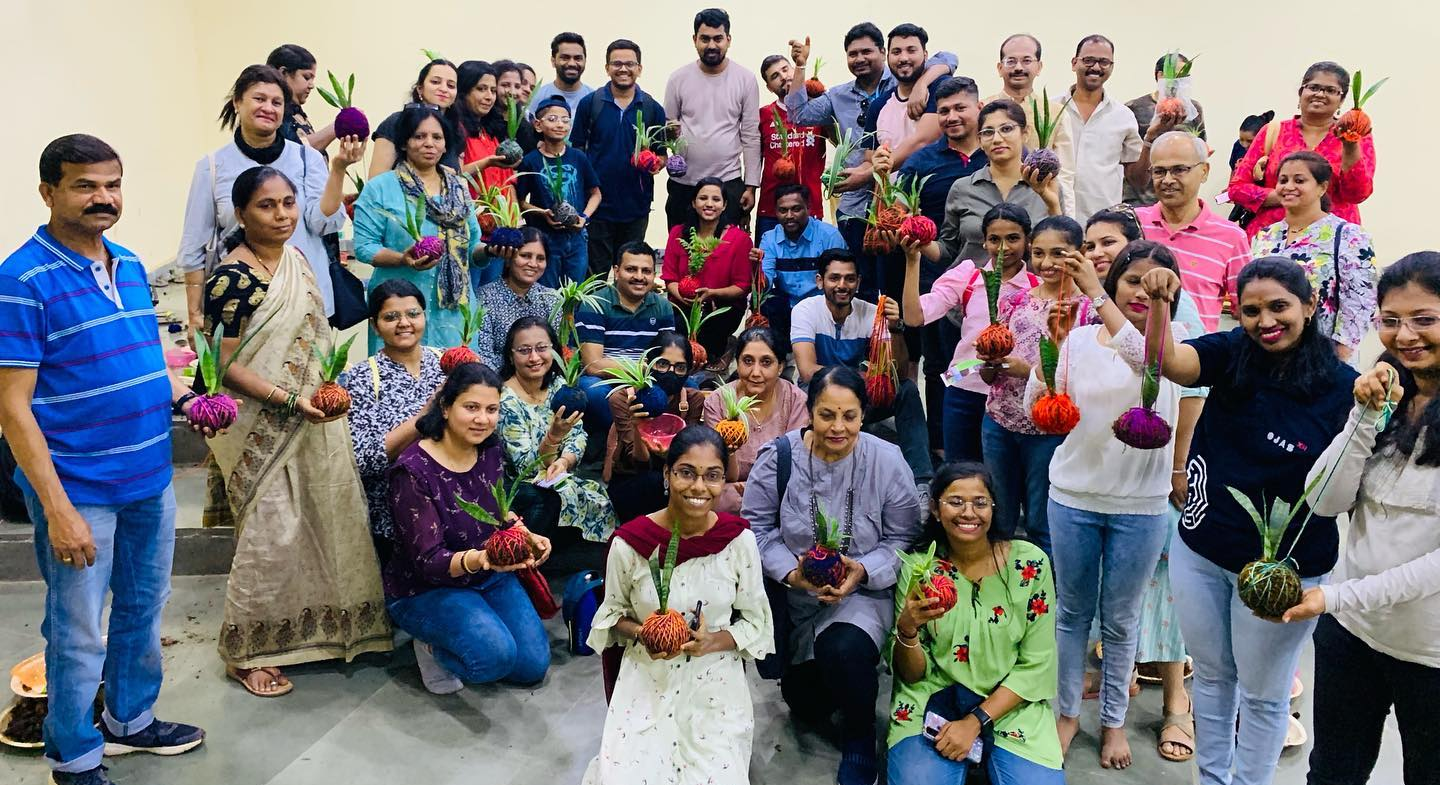
There’s something deeply therapeutic about working with soil and living plants with your bare hands.
Over the last weekend of February, NaturalisT Foundation, in collaboration with Maharashtra Nature Park (Sion) and MMRDA, conducted a hands-on Kokedama Workshop at Maharashtra Nature Park (MNP). This unique gathering brought together nature enthusiasts from all across Mumbai to discover a traditional, minimalist way of nurturing indoor greenery.
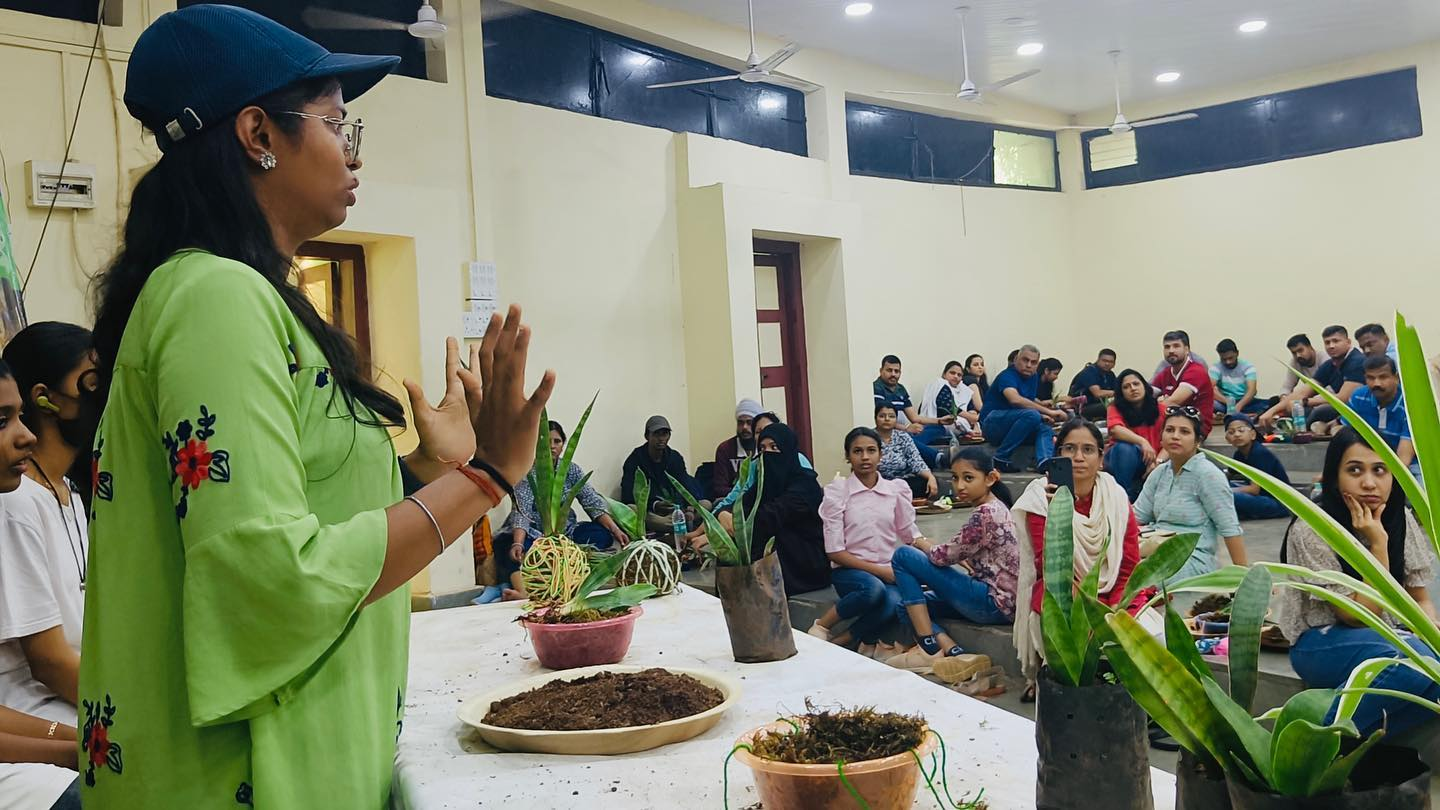
Kokedama is an old Japanese planting technique where plants are grown entirely without plastic or ceramic pots. Instead, the plant’s roots are wrapped tightly in a customized ball of rich soil and covered with a lush layer of green moss, beautifully combining elements of bonsai and kusamono gardening styles. It is simple, minimal, and very closely connected to the raw elements of nature.
A Diverse Gathering of Nature Lovers
The interactive session at the Kokedama Workshop at Maharashtra Nature Park saw a wonderful mix of people from entirely different backgrounds.
The interactive session saw a wonderful mix of people from entirely different backgrounds. There were corporate employees looking for a much-needed break from their screen-heavy routines, eager children who were incredibly excited to get their hands dirty in the mud, and even knowledgeable senior citizens who brought along their own lifetimes of gardening experience and plant wisdom.
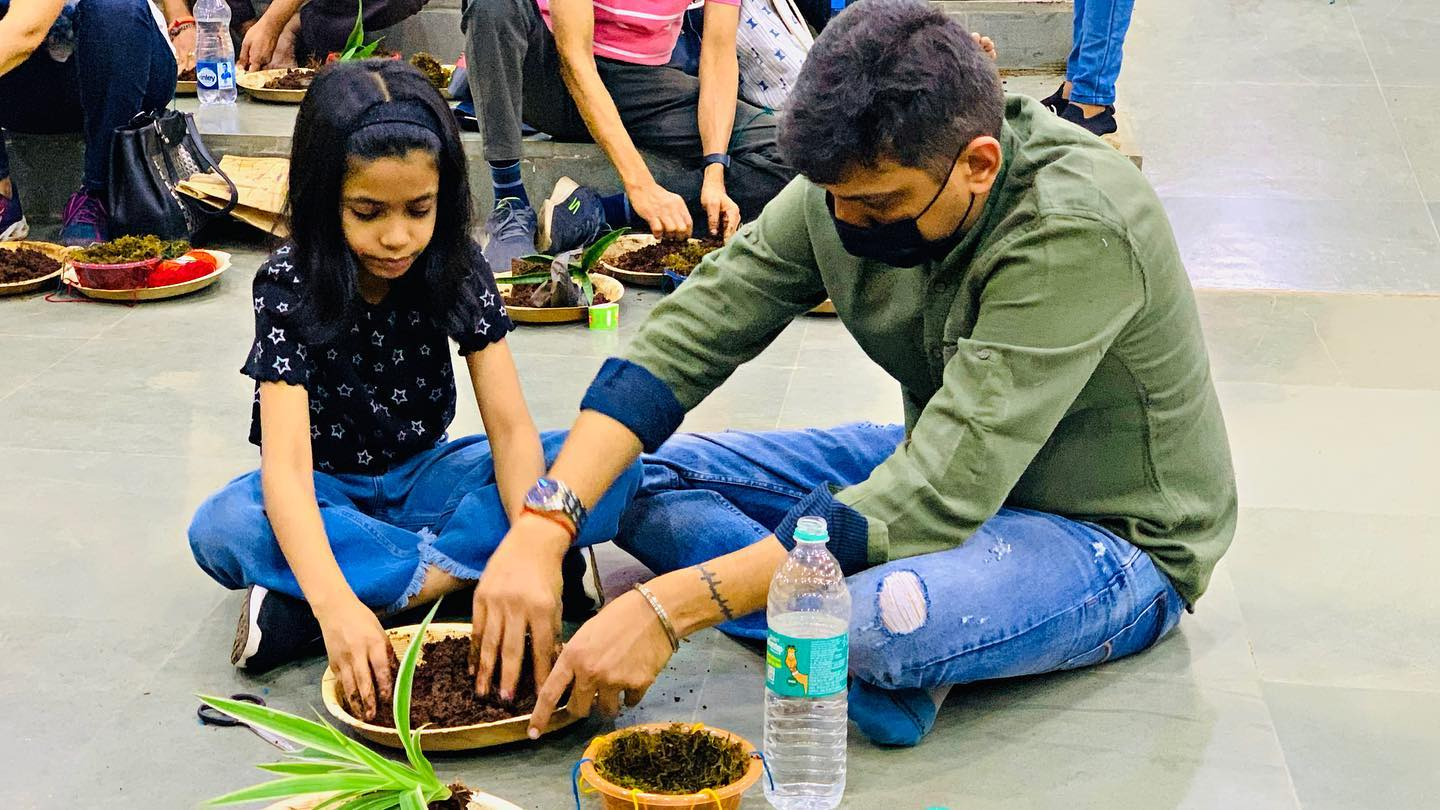
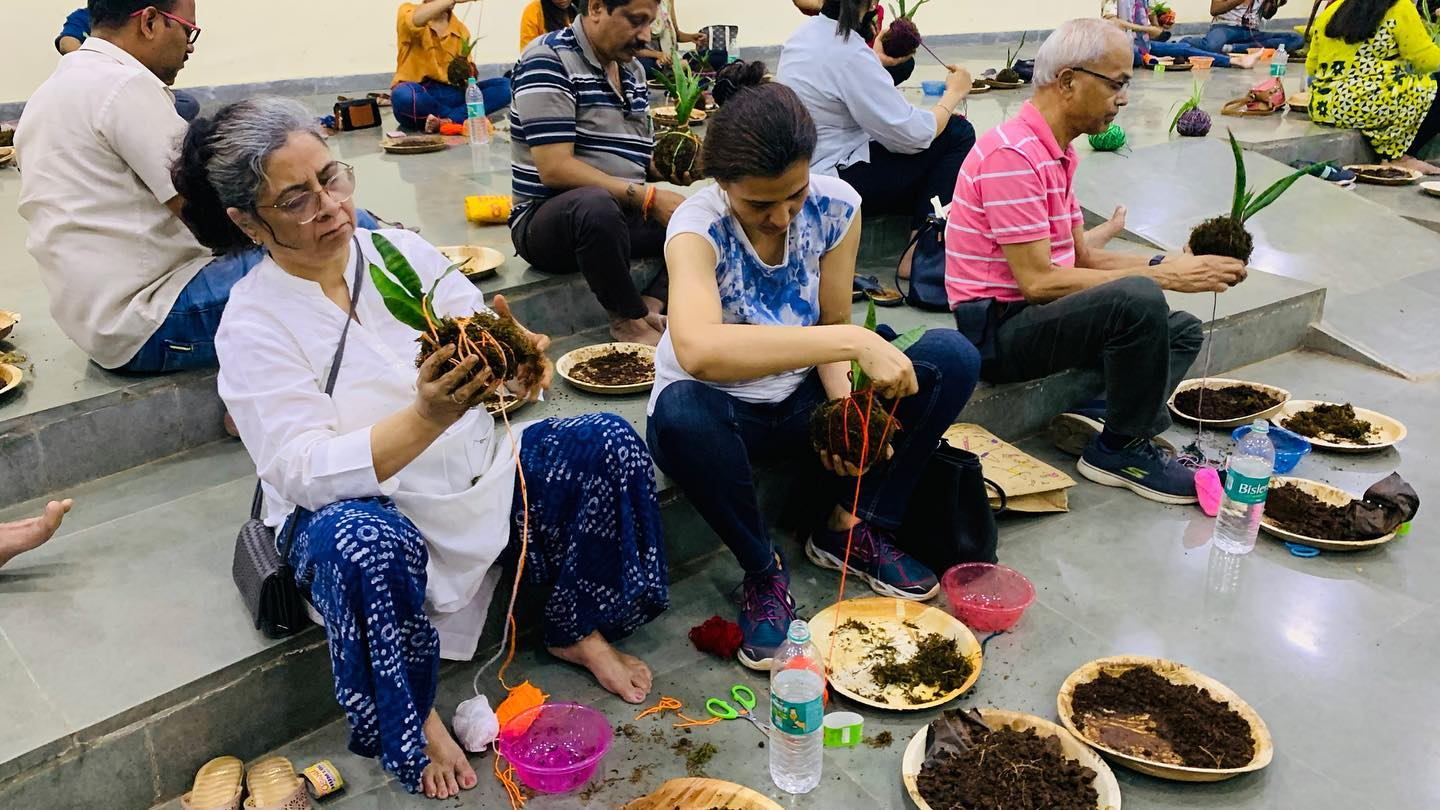
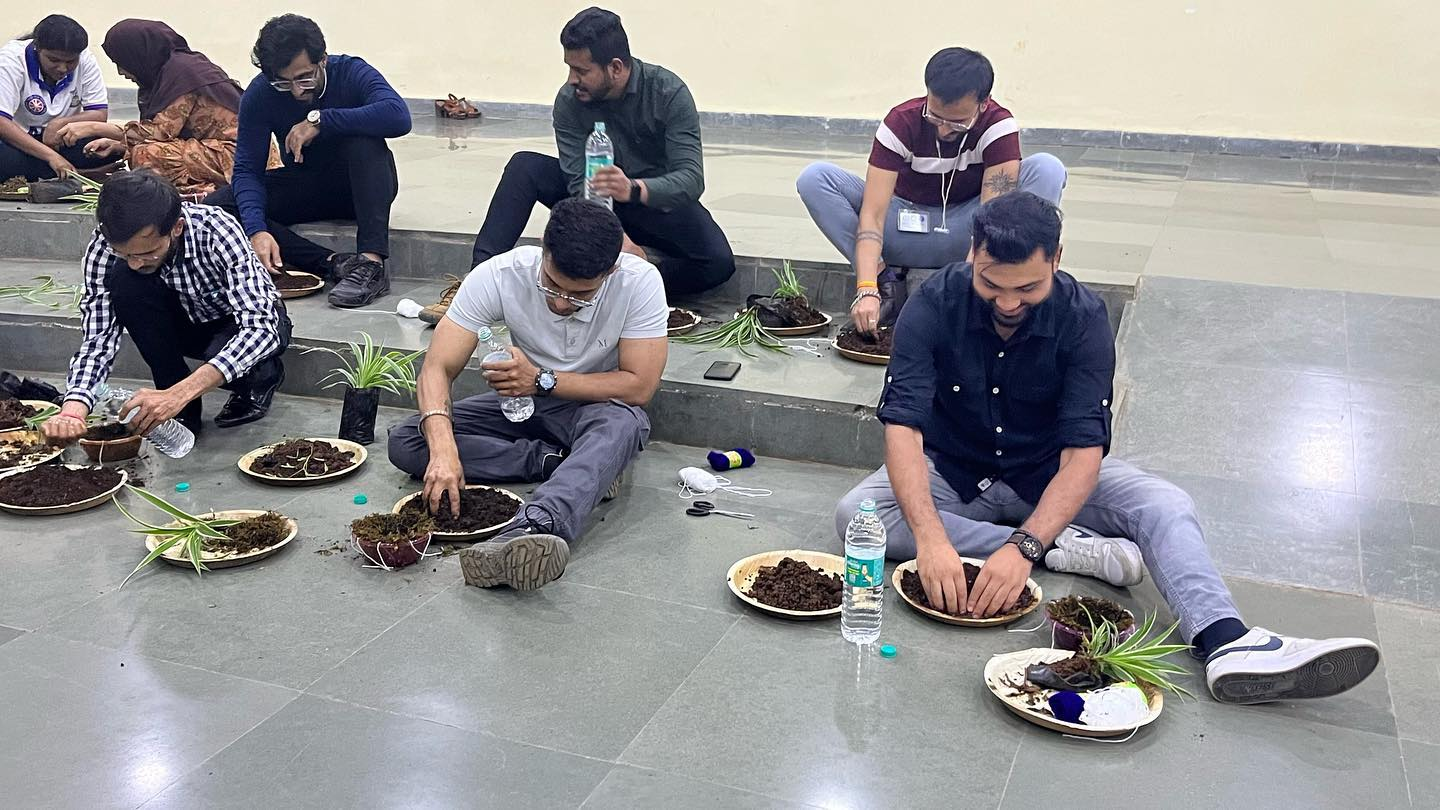
The open-air environment at MNP felt incredibly interactive. It created a community space where everyone was both learning and sharing at the same time. Participants were guided carefully through every single process of making their own creation, from preparing the perfect mud mixture to shaping, mossing, and wrapping it cleanly. Because it was a fully hands-on session, most of the genuine learning came from actually doing the tactile activity rather than just sitting back and observing.
Step-by-Step Guide: What We Learned at the Workshop
Creating these beautiful moss balls requires patience and a gentle touch. Here is the exact structural breakdown taught during our Kokedama Workshop at Maharashtra Nature Park:
Shaping and Wrapping: The muddy mixture is molded entirely around the bare roots into a smooth, firm sphere. Once shaped, a layer of fresh sheet moss is pressed firmly around the ball. Finally, the ball is secured tightly using organic twine or nylon string wrapped in geometric, decorative patterns.
- Preparing the Soil Mix: The foundation of a healthy moss ball relies on a balanced substrate blend. We utilized a traditional mixture of peat moss and organic soil to ensure proper moisture retention while allowing the roots to breathe. Water is added incrementally until the soil achieves a dough-like consistency that holds its shape tightly when squeezed.
- Preparing the Plant: Not all plant species thrive in this specific root environment. For this session, participants used hardy indoor choices like pothos, ferns, and syngoniums. The nursery soil was gently shaken off the root balls, taking extreme care not to snap the delicate root systems.
Long-Term Maintenance Tips for Your Moss Ball
To ensure your handmade creation thrives long after leaving the Maharashtra Nature Park grounds, follow these essential care guidelines:
- Submersion Watering: Do not water your moss ball normally from the top. Instead, submerge the entire moss ball in a bowl of room-temperature water for 10 to 15 minutes until it feels heavy. Let it drain completely before placing it back on its display saucer.
- Balancing Light Levels: Place your plant in bright, indirect sunlight. Avoid placing it in harsh, direct afternoon sun, which will rapidly dry out, scorch, and brown the outer living moss layer.
Slowing Down and Connecting with the Earth
By the time we wrapped up the Kokedama Workshop at Maharashtra Nature Park, everyone had created their own gorgeous, living art piece and also gained a much deeper understanding of sustainable, creative ways to style indoor plants. The workshop proved that it was not just about making a decorative object; it was truly about slowing down, unplugging from city chaos, and connecting with nature in a deeply grounding way.
For those who are interested in exploring similar green arts—such as terrarium building, urban composting, or kitchen gardening—NaturalisT Foundation continues to regularly conduct these interactive community sessions.