A marine walk in Mumbai offers a rare chance to see the city from an entirely new perspective.
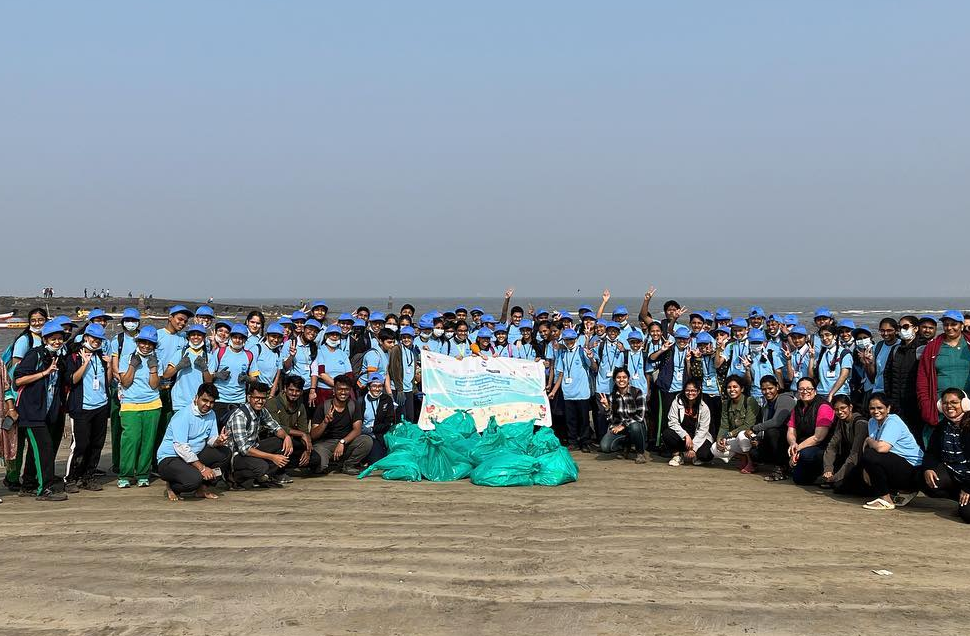
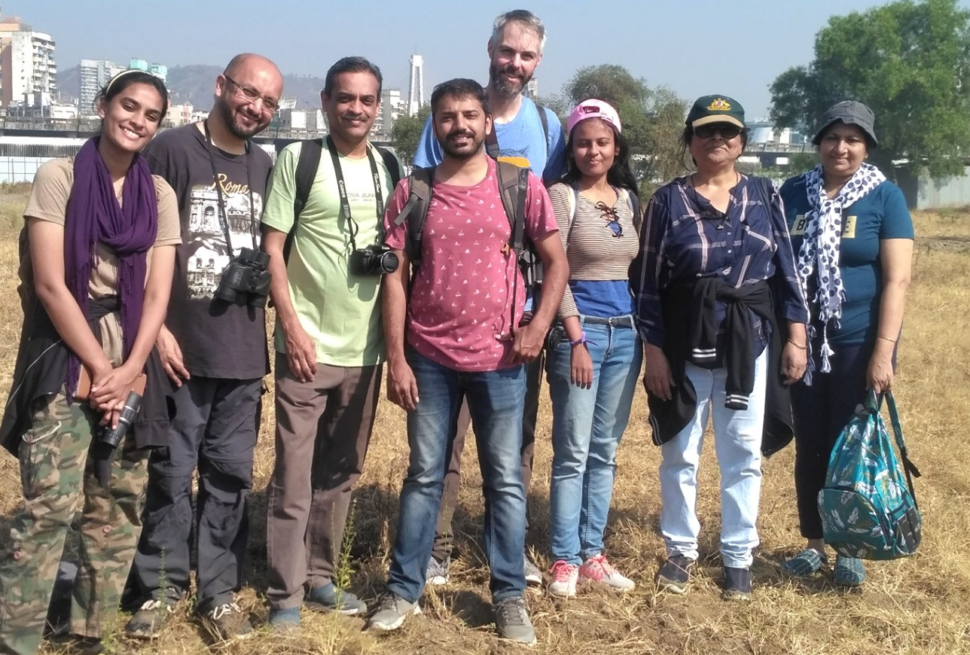
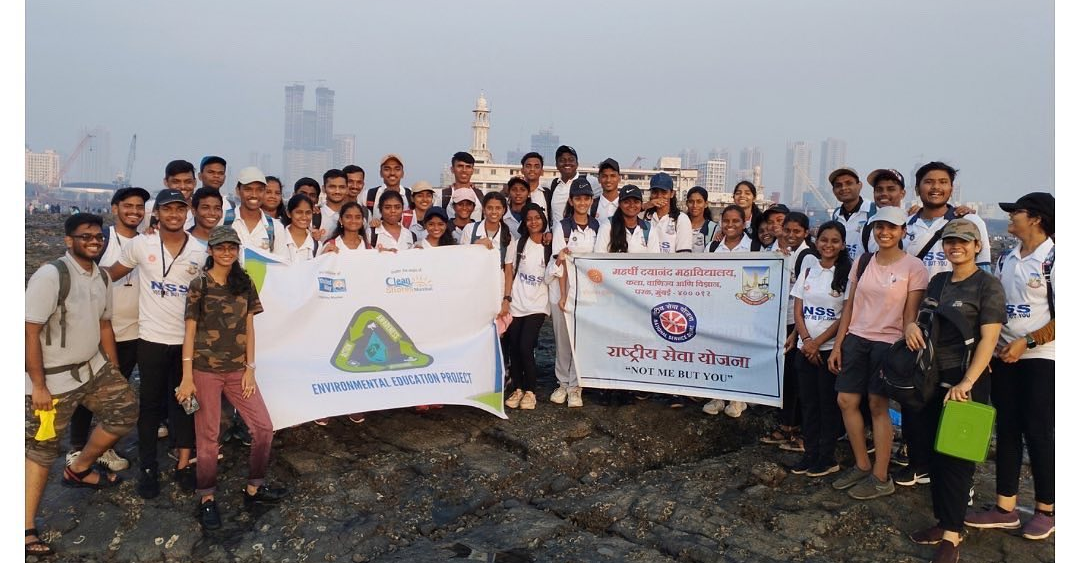
On the morning of 17th December, the familiar shoreline of Haji Ali transformed for a small group of nature enthusiasts. A small group of eager nature enthusiasts gathered along the jagged, rocky shores, ready to explore an incredible ecosystem that most people completely overlook during their daily visits.
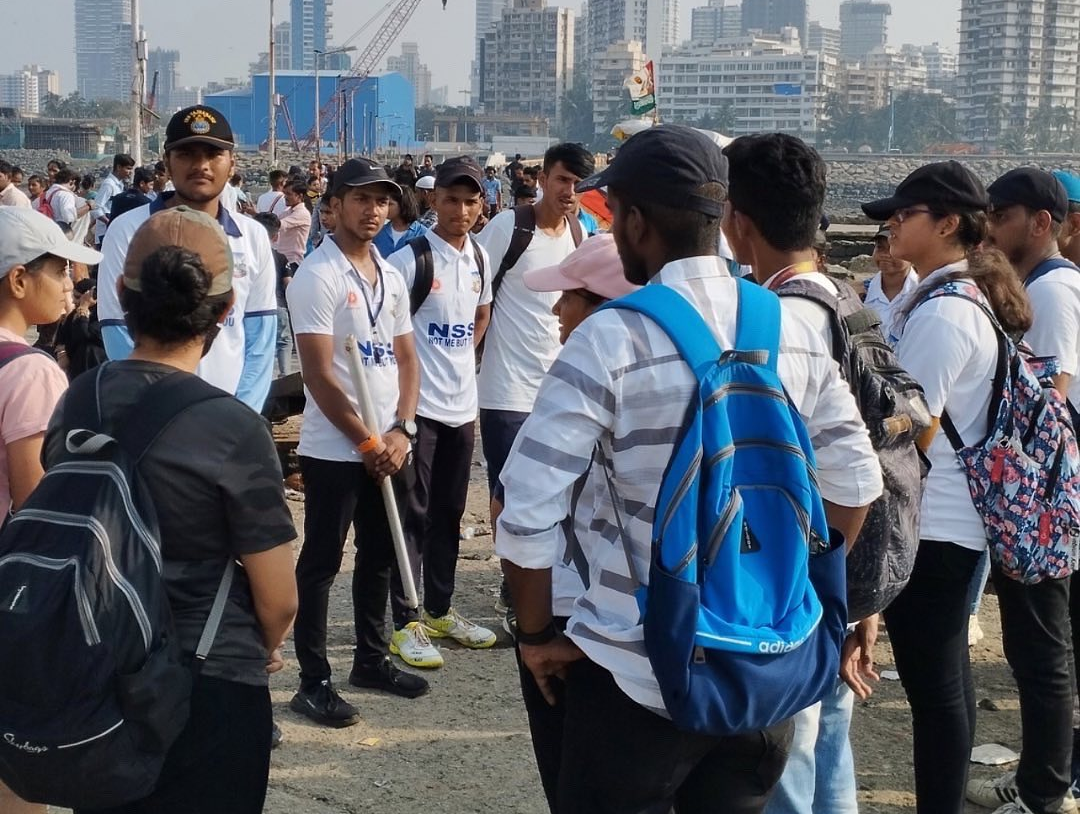
This marine walk in Mumbai was expertly led by naturalists Naman Kaji, Masira Shaikh, and Pralhad. What began as a simple shore excursion quickly transformed into something much deeper. It felt like stepping through a portal into a completely hidden, thriving layer of the metropolis—a parallel world operating silently right beneath the city’s concrete edge.
Haji Ali Marine Walk: Understanding the Intertidal Zones
As the morning tide steadily receded, the retreating seawater gradually pulled back its curtain, exposing rows of wet, glistening rocks and carving out small, isolated pools of water. These pockets are known as intertidal zones—the areas of the shoreline that are exposed to the air at low tide and submerged by water at high tide.
In a hyper-urbanized environment like Mumbai, these coastal strips are incredibly easy to miss if you aren’t intentionally looking for them. However, once you train your eyes to observe the subtle shifts in the rock pools, it becomes absolutely impossible to ignore how dynamic, active, and crowded these mini-habitats truly are. The marine life here has adapted to survive extreme fluctuations in temperature, oxygen levels, and crashing waves, making them some of the most resilient creatures on the planet.
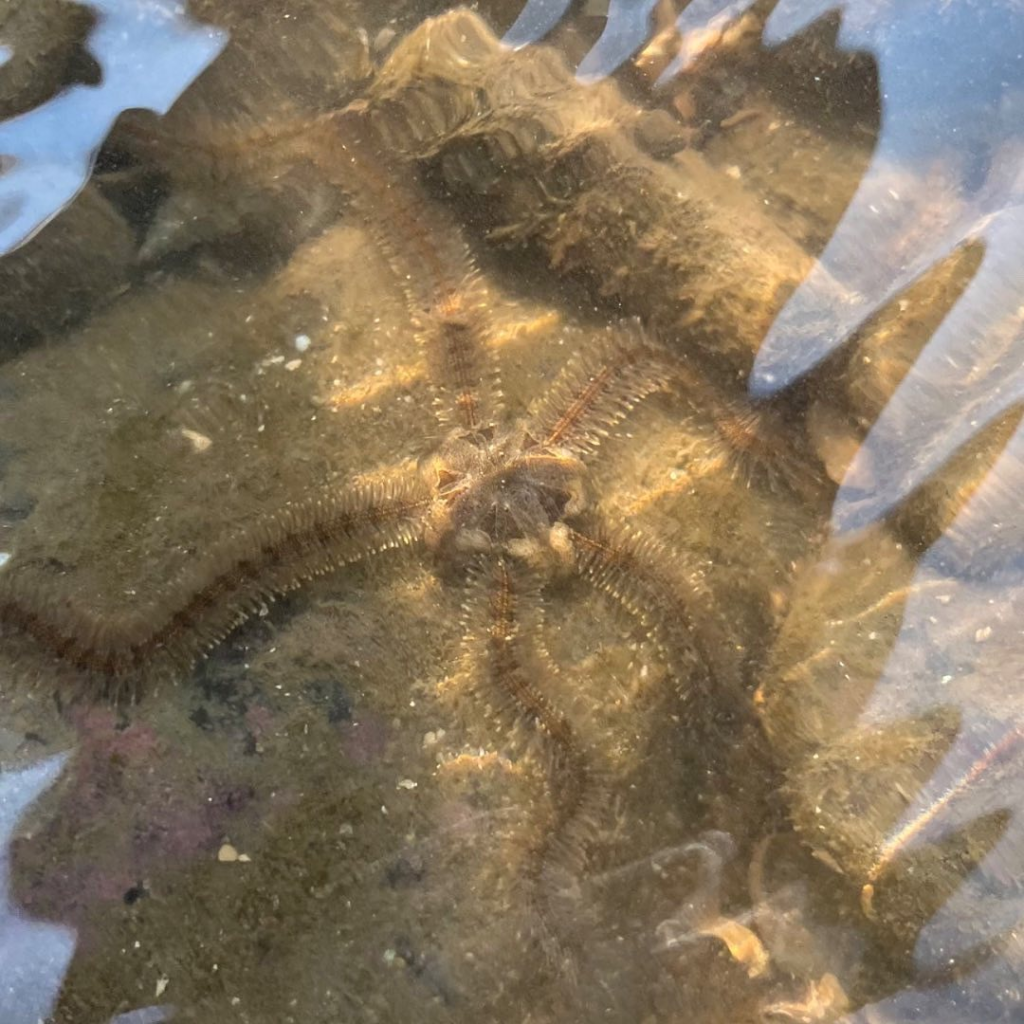
We spotted:
- Nerite snails moving along wet surfaces.
- Turban snails tucked into rocky crevices.
- Crabs (like the Clapping Crab and Maroon Stone Crab) quickly disappearing into gaps.
Every few steps, there was something new to notice. It slowed everyone down in the best way possible.
Evolutionary Secrets of a Marine Walk in Mumbai
One of the most interesting parts of the walk was understanding how deeply connected these organisms are to the story of life itself.
Flatworms and polychaete worms were observed, and their structures were explained in a way that made you pause and think. Standing there, looking at these small creatures, it became easier to understand that life began in the ocean. These weren’t just organisms. They were living evidence of evolution, quietly existing along Mumbai’s coastline.
The Ecological Importance of Mumbai’s Intertidal Life
The walk ended with a small session led by Naman, where he spoke about something many of us had never really thought about. He described marine organisms as the real cleaners of Mumbai, maintaining balance in ways that often go unnoticed.
Threats and Conservation Efforts
At the same time, he also spoke about the growing threats to these ecosystems and the conservation efforts being made across marine hotspots in Mumbai. It added a different layer to the experience. What we saw was not just interesting, it was important.
Why You Should Experience a Haji Ali Marine Walk
In a city that rarely slows down, experiences like this help you reconnect with what already exists around you. A marine walk in Mumbai is not just about spotting species. It is about understanding the role these ecosystems play and why they need to be protected.
Haji Ali, known to most as a landmark, quietly supports an entire world beneath it. Once you see it, you cannot unsee it.
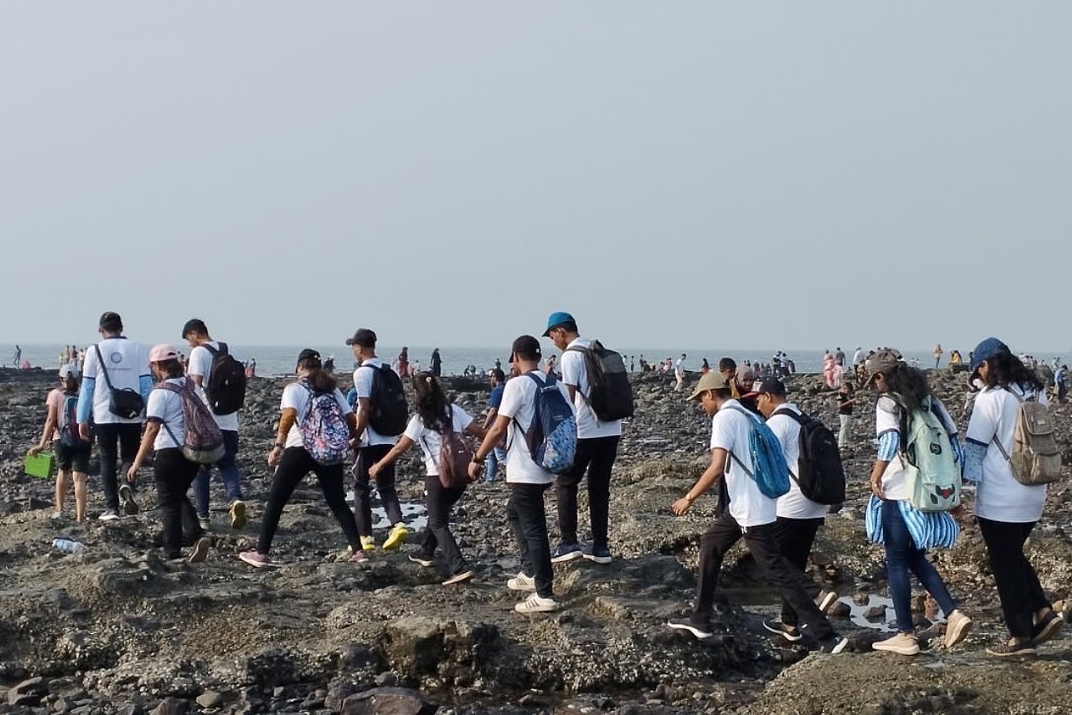
By the end of the walk, something had shifted. People were still talking, still pointing at things, still curious. It did not feel like the experience had ended. It felt like it had just begun.
For many, it was their first time noticing marine life this closely. And for us, it was a reminder of why these walks matter. If you have never explored Mumbai’s intertidal zones, this is something worth experiencing.
Stay connected with us for upcoming nature walks. Sometimes, all it takes is one morning to see your city differently.